





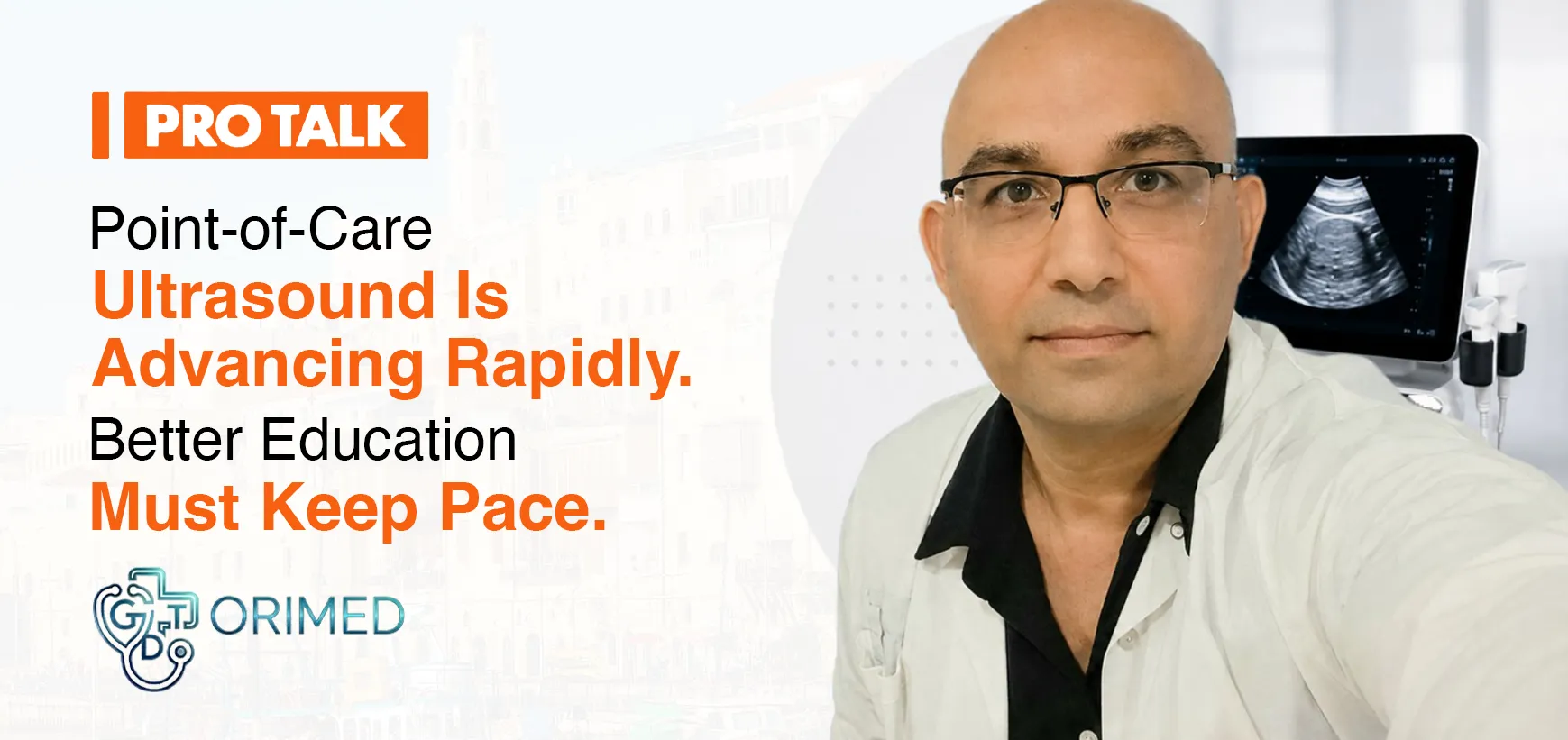
Point-of-Care Ultrasound Is Transforming Healthcare. Its Next Advance Depends on Better Education
It is easier now to perform point-of-care ultrasound because of technological advances. Handheld devices are becoming smaller, image quality is improving, and artificial intelligence is beginning to support image acquisition, measurements, and interpretation.
These advances are changing what is possible in clinical practice. But having access to the latest technologies doesn’t automatically equate to better patient outcomes.
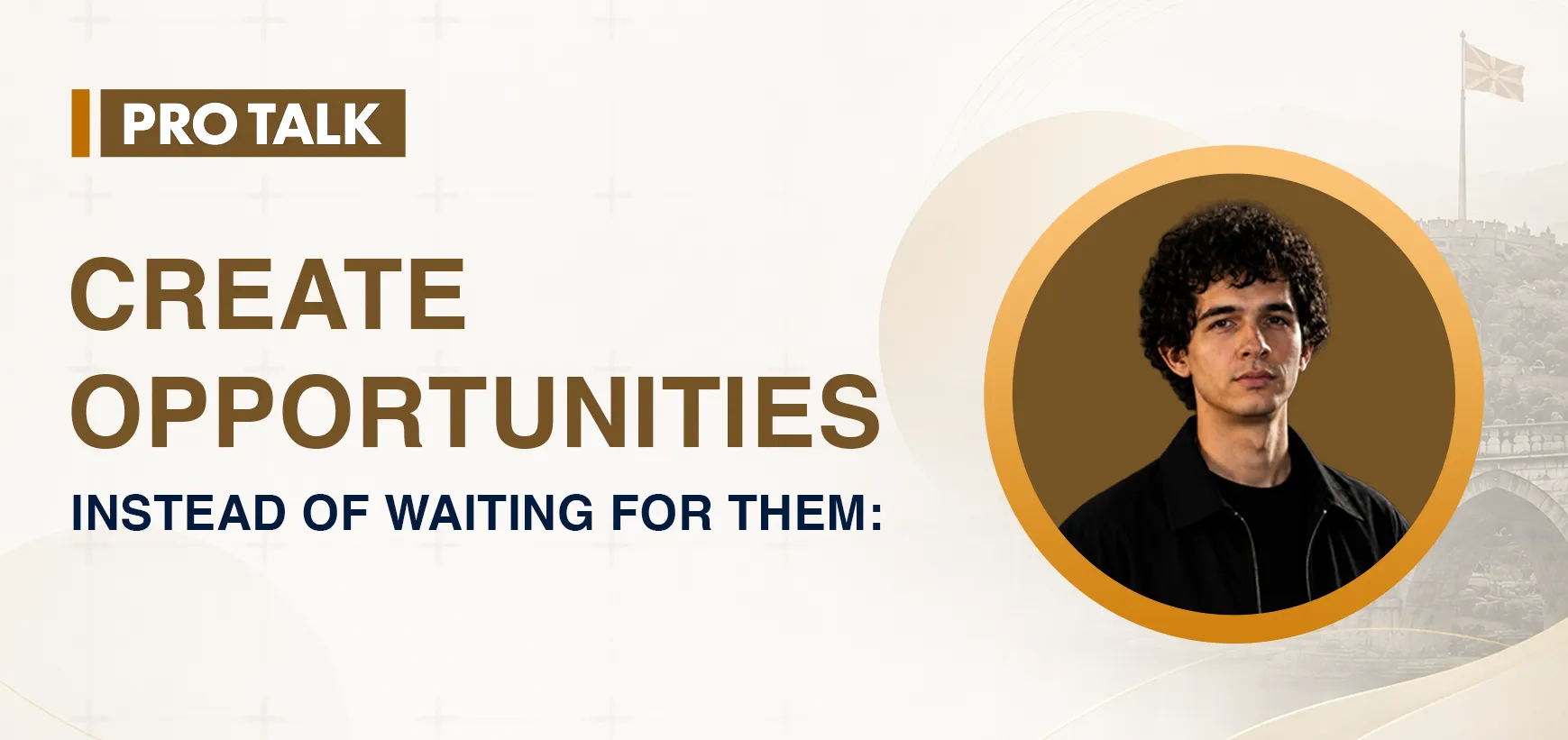
In this ProTalks episode, Daniel Ben Mordechay, sonographer, educator, researcher, and Founder and CEO of ORIMED GTD, shares why education, hands-on experience, feedback, and professional development have to keep pace with the advances in ultrasound technology.
The subject of innovation in medicine always starts from technology. We speak about innovative devices, more advanced software, increased connectivity, and artificial intelligence.
These are all good reasons to discuss. They are expanding access to ultrasound and creating new opportunities across hospitals, clinics, emergency departments, community medicine, and other healthcare settings.
However, after years of working alongside physicians, teaching point-of-care ultrasound, and helping healthcare professionals develop their practical skills, I have reached an important conclusion.
One of the greatest opportunities in point-of-care ultrasound now lies not only in developing better devices, but also in preparing clinicians to use them safely, consistently, and with sound clinical judgement.
I have seen experienced physicians hesitate because they were uncertain about the quality or interpretation of an image. I have also seen clinicians who received structured training and regular practical feedback use POCUS findings confidently as part of a broader clinical assessment.
These experiences reinforced a principle that continues to guide my work: access to technology does not automatically improve healthcare.
POCUS becomes truly valuable once technology is combined with expertise, experience, understanding the limitations and, finally, incorporating the results into the overall clinical context.

Clinical Practice, Education, and Innovation
Such conviction guided me on the path of my career.
Clinical work made me acquainted with the harsh realities of patient care. Teaching experience allowed me to realize the problems that physicians face when mastering the skills of point-of-care ultrasound. The foundation of ORIMED GTD gave me the opportunity to solve those problems through the combination of technology and education.y with structured education, hands-on training, and ongoing professional support.
People sometimes ask whether I identify primarily as a sonographer, an educator, a researcher, or an entrepreneur.
I have never felt the need to choose between these roles. Each has strengthened the others.
Working clinically allows me to remain grounded in the practicality of the medical field. Working as an educator allows me to see firsthand how skills and confidence grow through repeated exposure.
Researching helps me to analyze various forms of education and how they could be done better. Being an entrepreneur is another avenue for doing this through practical products for clinicians.
Along this whole process, one thing is certain. There will be continued growth of technology. The capabilities of artificial intelligence will grow, and portable ultrasound machines will keep on growing.
But without the evolution of education, the above changes won’t be realized.
The future of point-of-care ultrasound will not be defined only by the devices we develop. It will also be shaped by how effectively we prepare the healthcare professionals who use them.
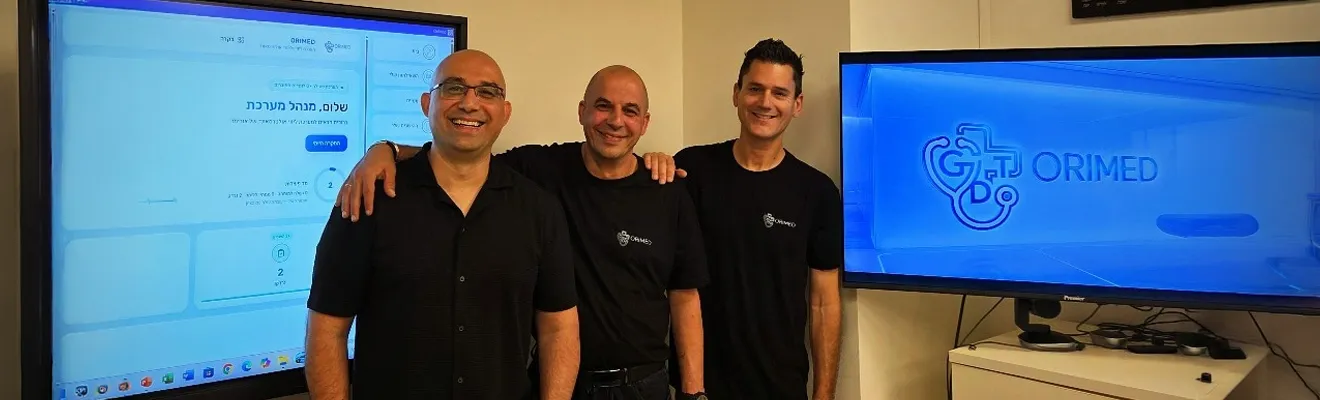
The Question I Hear Most Often Is About Confidence
One of the advantages of teaching physicians across different healthcare environments is that recurring patterns gradually become clear.
Although every hospital, university, clinic, and healthcare system operates differently, many of the questions clinicians ask are remarkably similar.
These conversations rarely begin with the newest ultrasound device or the latest software update. They usually begin with confidence.
Clinicians ask how they can know whether they are interpreting an image correctly. They want to understand how much supervised practice is required before they can use POCUS independently.
Some worry about overlooking an important finding. Others want reassurance that they are acquiring adequate images and incorporating the results appropriately into clinical decision-making.
These questions highlight a challenge that technology alone cannot solve.
The point-of-care ultrasound field has made considerable progress. Devices have become smaller, more portable, and increasingly accessible. Artificial intelligence can now support selected aspects of image acquisition, optimisation, measurements, and interpretation.
These advances may improve usability and shorten parts of the learning process. However, they do not remove the need for trained users, clinical context, awareness of limitations, and professional judgement.
Technology may support an examination, but it cannot independently determine whether the examination was clinically appropriate, whether the acquired images were adequate, whether the findings are reliable, or how those findings should influence the patient’s management.
That is why education must develop at the same pace as innovation.
A well-prepared clinician must understand when POCUS is appropriate, how to perform a focused examination, how to recognise normal and abnormal findings, when the examination is inconclusive, and when further imaging or specialist evaluation is required.
Confidence should not be confused with certainty or overconfidence.
True professional confidence develops gradually through structured learning, repeated practice, supervised experience, constructive feedback, quality assurance, and a clear understanding of personal limitations.
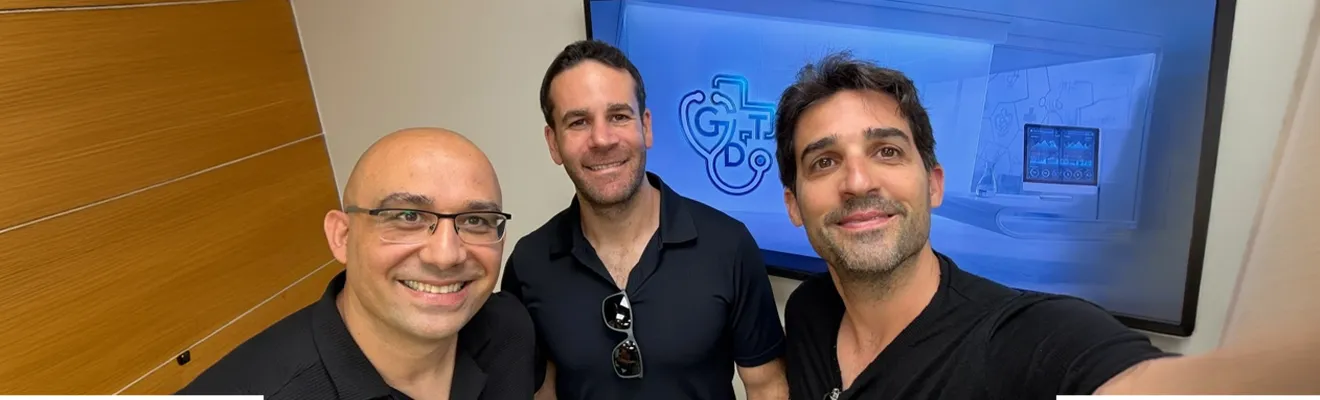
Confidence Is Built Through Practice
One experience continues to remind me why this approach matters.
An experienced physician enrolled in one of my POCUS training programmes with an open mind, but also with a healthy degree of scepticism. He questioned whether ultrasound would genuinely improve his day-to-day clinical practice and acknowledged that he did not feel confident using it independently.
Rather than trying to convince him using presentations and theoretical explanations, we resorted to learning by experience.
Each scan became an opportunity for discussion. Mistakes were treated as part of the learning process. Questions were encouraged, and uncertainty was approached as a starting point for professional development rather than as a weakness.
Several months after completing the programme, he contacted me to describe a case that I still remember.
During what initially appeared to be a routine patient assessment, he identified a clinically significant finding using point-of-care ultrasound.The finding led to more analysis and proper treatment.
His reflection that remained memorable for me included much more than the clinical experience.
The most important shift in his perception was not in understanding how to work with the ultrasound equipment. Rather, it was in the self-confidence of using his learned skills, understanding the situation which requires extra attention, and performing the next clinical steps accordingly.
Clinical experiences such as these continue to shape my view on health care, education, and management.
Important advances in the field do not happen because of the use of advanced technologies. They are a result of professionals being given enough chances to learn, practice, get honest feedback, realize their limitations, and improve continuously.
Regardless of whether I work with doctors, train students, conduct research, or manage ORIMED GTD, my goal remains unchanged – I want to help health care professionals be better prepared to make clinical decisions.
Education Must Continue Beyond the Course
Workshops may help in understanding key concepts, in showing how examination is conducted, and in gaining practical experience.
Yet one session alone will not lead to permanent expertise.
POCUS proficiency develops over time. It requires continued scanning, exposure to a range of normal and abnormal findings, supervision, case review, documentation, and feedback on both image acquisition and interpretation.
In many healthcare settings, access to equipment is only part of the challenge. Equally important are opportunities to practise consistently, receive timely feedback, participate in quality assurance, and obtain support when findings are uncertain.
This is why POCUS education should not be treated as an isolated event.
Training needs to be viewed as an ongoing process that starts with the basics and guided practice, but that needs to continue with mentoring, application in the clinical setting, competency assessment, and professional development.
E-learning resources, simulations, remote feedback, image viewing systems, structured clinical pathways, and artificial intelligence might all play a role in such processes.
The aim should not be to replace the educator or clinical mentors. Their importance should lie in continuing education outside the classroom and assisting the clinician in further building up their skills within the clinical setting.
The Role of Artificial Intelligence
Artificial intelligence is expected to gain more importance in ultrasound training and practice in the future.
AI-powered technologies might help in probe placement, image optimisation, automated measurements, anatomy detection and detection of certain findings. Such tools can help make ultrasound more accessible for inexperienced practitioners and can contribute to standardisation in particular applications.
At the same time, one should understand that artificial intelligence is just a supplementary tool and cannot replace the experience of a professional.
An automated device can help in obtaining and analysis of an image; however, the practitioner is responsible for choosing the right type of study, assessing the quality of the images obtained, their interpretation and the need for any further research.
Therefore, education will remain vital despite technological advancements.
The development of artificial intelligence might impose new educational requirements. Clinicians will need to understand what automated systems can and cannot do, where errors may occur, how outputs should be verified, and when reliance on automated guidance may be inappropriate.
The future of POCUS education must therefore include not only ultrasound physics, anatomy, image acquisition, and interpretation, but also critical digital literacy.
The Future of POCUS Will Be Defined by Its Users
Point-of-care ultrasound is entering a new phase.
Handheld devices are becoming more capable. Artificial intelligence is supporting a growing range of ultrasound tasks. More healthcare organisations are recognising POCUS as an increasingly important clinical skill across multiple specialties and care settings.
These developments will expand access to ultrasound, but they will also increase the responsibility of healthcare organisations, educators, and clinicians to ensure that education, governance, and quality assurance develop alongside the technology.
Successful implementation requires more than purchasing devices and expecting clinical adoption to follow.
Healthcare organizations require clear pathways for training, supervision, competency assessment, documentation, mentoring, and education. It is also required that healthcare organizations have a clear delineation of scope of practice and make the users aware of the capabilities and limitations of focused ultrasound examination.
Technology can help to overcome some technical barriers, but it cannot take the place of experience, accountability, and clinical judgment.
My advice to clinicians beginning their POCUS journey is simple: remain curious and never stop learning.
The professionals who continue to develop are not always those who learn the fastest or begin with the most experience. They are often the individuals who welcome feedback, reflect honestly on their performance, review uncertain cases, and treat each examination as another opportunity to improve.
Confidence is built one examination at a time.
Each successfully acquired image, each corrected mistake, and each discussion with an experienced colleague contributes to the development of professional competence.

Investing in People
Looking ahead, I believe the organisations that will have the greatest impact will not be those that invest in technology alone.
They will be the organisations that invest in education, mentorship, clinical governance, and continuous professional development with the same seriousness that they invest in innovation.
Better devices will continue to matter. Improved image quality, portability, connectivity, and artificial intelligence will create new possibilities for healthcare professionals and patients.
However, even the most advanced device has limited value when the user is not adequately prepared to acquire reliable images, recognise limitations, and respond appropriately to the findings.
Technology creates opportunities.
Education enables clinicians to use those opportunities responsibly.
If there is one belief that has remained constant throughout my journey, it is that knowledge
becomes most meaningful when it is shared.
Every clinician who teaches a colleague, every mentor who supports a learner, and every educator who helps someone develop competence creates an impact that extends far beyond the classroom.
We may never meet every patient whose care is improved because a clinician has received the right training, practised consistently, or asked for guidance at the right moment.
However, those outcomes are among the most meaningful measures of our work.
For point-of-care ultrasound to reach its full potential, our investment cannot focus only on the next generation of devices.
It must also focus on the next generation of healthcare professionals who are prepared to learn, practise, evaluate their performance, teach others, and use ultrasound responsibly as part of high-quality patient care.
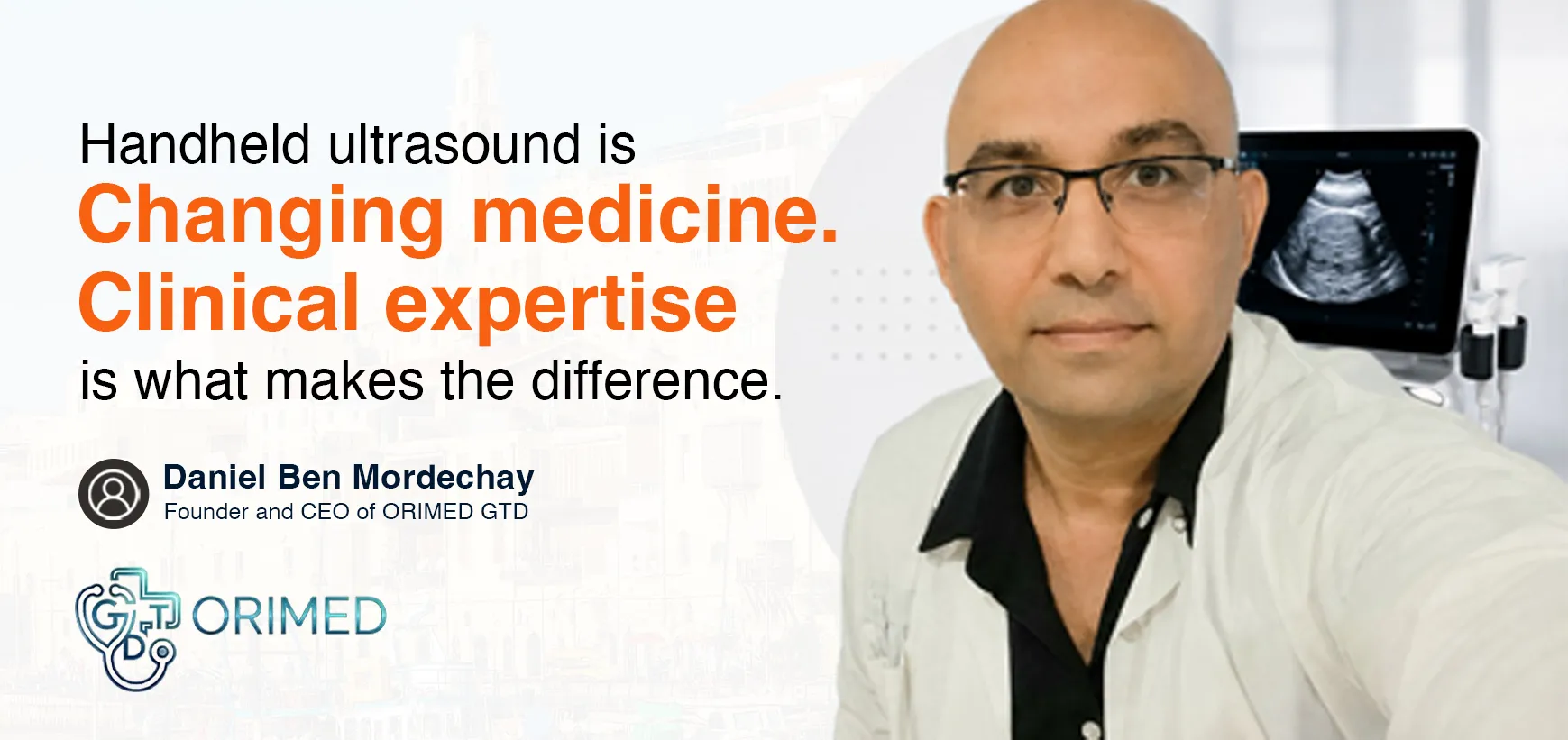
About the Author
Daniel Ben Mordechay is a diagnostic medical sonographer, medical educator, researcher, and specialist in point-of-care ultrasound education.
He serves as a lecturer and POCUS course coordinator at Tel Aviv University and is the Founder and CEO of ORIMED GTD, where he works with healthcare professionals to make ultrasound education more practical, accessible, and clinically relevant.
Drawing on experience in clinical practice, medical education, research, and ultrasound innovation, Daniel focuses on helping clinicians develop the knowledge, practical skills, and professional confidence required to integrate POCUS responsibly into everyday patient care.
He has developed an approach based on education, practical experience, feedback, and new technology to facilitate sound clinical decision-making.
By means of teaching, research, and entrepreneurial activities, Daniel promotes one common notion:
Technology presents possibilities, but education enables clinicians to make a difference.
Connect with Daniel on LinkedIn:

Learn more about ORIMED GTD:
Connect with Daniel Ben-Mordechay
Interested in working with or consulting with this expert? Submit your details below.