





- The Early Days of Trikënd Were About Finding a Way to Keep Going
- They Weren’t Content with Just Building Products for Clients
- Why Tauron Kurti Thinks Founders Should Stop Waiting for the Perfect Idea
- Growing Beyond Kosovo Without Forgetting Where You Started
- AI Is Making Production Easier. So What Will Make Agencies Different?
- The Next Chapter for Tauron and Trikënd
- About Tauron Kurti
Building a digital agency is one thing. Keeping it alive, earning clients’ trust and finding the courage to invest in your own ideas is another. For Kosovo entrepreneur Tauron Kurti, the journey with Trikënd has been about learning through doing, making tough decisions, and realising progress rarely follows a perfect plan.
There’s a side of entrepreneurship that people don’t talk nearly enough about. The uncertainty of the early days, the projects that didn’t quite work out, the constant decisions of where to spend limited resources, and the pressure to keep moving when nothing is guaranteed.
Tauron Kurti knows that side of business well.
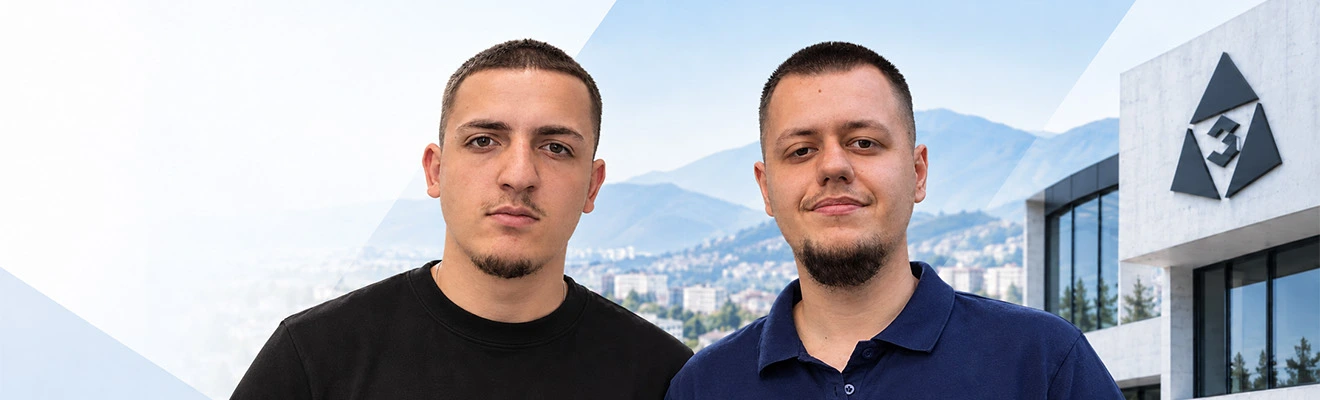
Based in Kosovo, Tauron runs Trikënd, a digital agency he built with his partners, Bardh and Lorent. Together, they develop websites, mobile applications, e-commerce platforms and digital solutions for businesses. Their work also covers branding and media production, bringing creative and technical services under one roof.
Today, Trikënd works with clients in Kosovo, Albania, Germany, the United States and Switzerland. But getting there wasn’t as straightforward as building a website, announcing a new agency and waiting for enquiries.
There were difficult beginnings, financial limitations and plenty of lessons that could only come from experience.
And while growing the agency was important, Tauron and his partners had another ambition. They wanted to build technology products of their own, even if that meant investing money they had worked hard to earn through client projects.
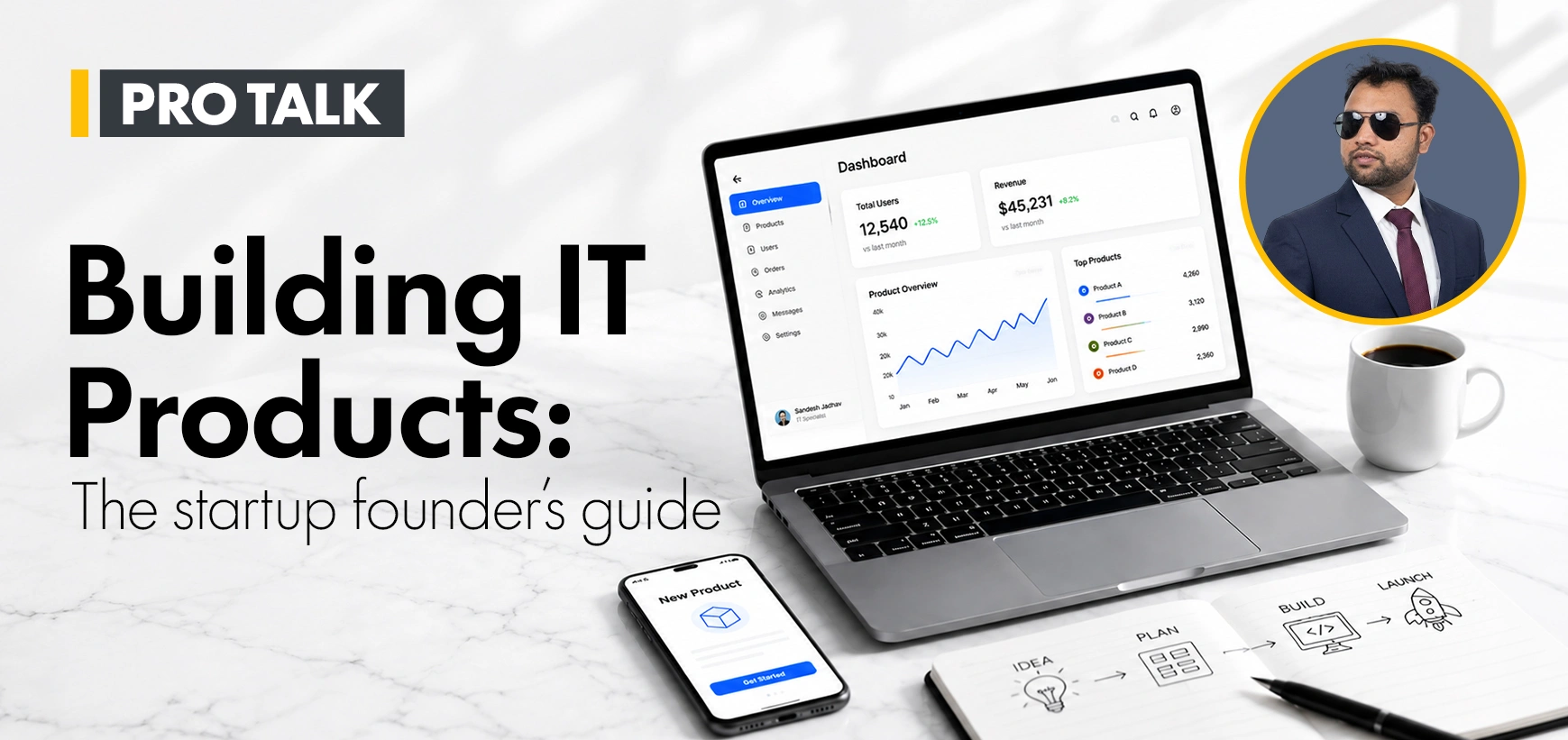
In this conversation with Kolekr Insights ProTalks, Tauron talks about building a business from Kosovo, the reality of developing products without outside funding, what his early experiences taught him and why he believes entrepreneurs should spend less time perfecting ideas and more time testing them.
The Early Days of Trikënd Were About Finding a Way to Keep Going
Ask Tauron about the most difficult part of his entrepreneurial journey, and he doesn’t point to a complicated technical project or a particularly demanding client.
He talks about keeping the agency alive.
“The hardest challenge of my journey has been keeping Trikënd alive in its first steps.” It’s a simple answer, but anyone who has started a business will understand what sits behind it.
When you’re building an agency from scratch, every client matters. You need to convince businesses to trust you before you’ve had the opportunity to establish a reputation. You’re trying to deliver good work while also managing expenses, finding new projects and thinking about what comes next.
For Tauron, Bardh and Lorent, this was the reality of establishing Trikënd in Kosovo. They were good, and they were motivated, but resources were scarce. It was not a guaranteed success, and it took time to build the confidence of the clients.
The difference was that they were still willing to work together.
Tauron speaks about his partners as an important part of the journey. Building a business can become difficult when the financial pressure increases, and having people who share the same commitment matters.
Those early years also changed the way he thought about business. Being good at development or design wasn’t enough. They needed to understand how to manage money, maintain relationships and make decisions that would allow the company to continue operating.
Looking back, Tauron sees persistence and the right partnerships as two of the reasons Trikënd made it through those first challenges.
They Weren’t Content with Just Building Products for Clients
Running a digital agency gave Tauron and his partners the opportunity to work on different business problems. One client might need a website, another an e-commerce platform, while someone else might need a complete digital system.
But the team also enjoyed exploring their own ideas. Rather than limiting themselves to client assignments, they began using income from Trikënd to finance independent technology projects.
Among those projects were Pika Braille, EventAlbania and Parkingu.
The decision was exciting, but it came with a challenge. The money they invested in product development was money generated by the agency itself. There wasn’t a separate pool of funding available to support every experiment. One project in particular taught Tauron how complex the path from idea to launch can be.
Pika Braille: A Promising Idea That Needed More Than a Working Prototype
Pika Braille was a project that the team turned into a working demonstration, focusing on accessibility. They demonstrated it to a small group, and the response was positive. People who had lived through it were really pleased with what the team had produced.
For a founder, getting to that stage can feel like a big step forward. You have taken an idea and made something of it that people can actually experience. But there was still a problem. The team didn’t have enough funding to take Pika Braille through to a full launch.
It was a difficult but valuable lesson. Building something useful is only one part of developing a product. You also need the financial resources to complete it, maintain it and bring it to the people who might benefit from it.
The experience changed Tauron’s approach to new ideas.
He became more conscious of planning finances before committing to product development and validating demand before investing too heavily. That doesn’t mean he has become less interested in experimenting. It means he now understands why an idea needs both enthusiasm and a practical business plan.
Parkingu, EventAlbania and the Value of Continuing to Build
Not every project followed the same path.
Parkingu, another product developed by the team, has reached the market and is available on iOS. EventAlbania is also among the products they have worked on.
Each has given the team experience beyond conventional client services.
They’ve had to think not just about how to build a system, but about what happens before and after development.
- Is there a real need for the product?
- How should it work?
- What should be built first?
- How can the team avoid spending too much time on features that users may not need?
These are questions that become clearer through practical experience.
For Tauron, the important thing is that even projects that don’t reach a full commercial launch can teach a team something valuable.
Sometimes, the Best Technology Simply Makes Someone’s Work Easier
When discussing the kind of work Trikënd does, Tauron points to a project developed for an accounting firm.
The business had a familiar problem. Its clients needed to send documents, exchange information and communicate regularly with their accountants, but the process was spread across different channels.
As a result, everyday collaboration was more complicated than necessary.
Trikënd developed a web-based client portal that brought these activities into one organised system. Clients could register, upload files and work through shared spaces, making it easier for both sides to manage information.
There was nothing unnecessarily complicated about the idea. The accounting firm had a practical problem, and the team developed a practical solution. What makes the example meaningful to Tauron is that the relationship didn’t end once the platform was delivered. The accounting firm continues to work with Trikënd.
For an agency, that kind of continuing relationship says something important. Clients are not simply paying for a collection of features. They’re looking for someone who understands their business and can help make their work easier.
It’s also an example of how Tauron approaches technology more broadly.
He is interested in new tools and ambitious ideas, but he doesn’t believe every solution needs to be complicated to be valuable. Sometimes, solving one frustrating everyday problem well is enough.
Why Tauron Kurti Thinks Founders Should Stop Waiting for the Perfect Idea
If there’s one piece of advice Tauron feels strongly about, it’s this: start building. “The most valuable lesson I’ve learned is that an idea only becomes valuable when you act on it.” It’s advice that comes directly from his experience with Trikënd’s own projects.
When founders are excited about an idea, it’s easy to spend weeks or months planning how everything should work. They imagine features, refine designs and think about what the finished product might look like.
The problem is that much of this planning happens before anyone has spoken to the people who might actually use it.
Tauron believes founders can learn far more by developing a simple first version and putting it in front of real users. That first version doesn’t need every feature. It needs to demonstrate the core idea clearly enough for someone to try it and give useful feedback.
He encourages entrepreneurs to set a short deadline, test their idea with a handful of potential users and improve what they’ve built based on what they learn.
There’s another part of his advice that’s equally important: stay curious. Founders naturally become attached to their ideas. They’ve spent time thinking about them, and they want to believe their approach is right. But the customer might see the problem differently.
Being open to feedback, even if it goes against your assumptions, can save you money down the road. For Tauron, entrepreneurship is less about having all the answers and more about being willing to find them.
Growing Beyond Kosovo Without Forgetting Where You Started
Kosovo is a relatively small market, and that can shape the opportunities available to someone starting a business.
There may be fewer potential customers for specialised services, and it can take time to build up a local reputation. For some entrepreneurs, those limitations can make international growth feel like a distant ambition.
Tauron sees things differently. “Being based in Kosovo has never been a limit for me.” Today, Trikënd serves clients in Germany, the United States and Switzerland, alongside its work in Kosovo and Albania.
For Tauron, this is proof that a company’s location doesn’t have to determine how far its work can reach. Digital businesses have the opportunity to work with people across borders, particularly when their services can be delivered online.
Of course, it still requires work to find international clients. Businesses need to prove that they can communicate clearly, understand requirements and deliver reliable work.
That brings Tauron back to something he learned during Trikënd’s early days: trust takes time to build. Whether a client is based in Kosovo or Germany, the fundamentals remain the same. People want to know that the team they hire understands their needs and will deliver what it promises.
He also sees this as an encouraging message for other entrepreneurs in the Balkans. A smaller domestic market doesn’t mean founders need to think small. With the right skills, partnerships and commitment, they can build businesses that serve customers far beyond their immediate surroundings.
AI Is Making Production Easier. So What Will Make Agencies Different?
Tauron is particularly interested in how artificial intelligence will change the work of digital agencies over the next few years.
He expects AI to make tasks such as video production, design, content creation and software development significantly faster and less expensive.
On the surface, that sounds like good news for agencies. Teams will be able to complete more work, experiment with ideas quickly and reduce some of the time spent on repetitive tasks.
But Tauron sees another side to it. When producing content or developing certain types of software becomes easier for everyone, the ability to produce those things may no longer be enough to stand out.
Clients will still need businesses that understand their problems, make thoughtful decisions and bring original ideas to the table. That’s where he believes strategy, creative judgement and a recognisable brand identity will become increasingly important.
An agency might use AI to produce several video concepts in a short time, but someone still needs to understand which concept speaks to the intended audience.
A developer might use AI to speed up coding, but the product still needs to solve a problem people actually have.
Tauron’s advice is to start learning AI tools now, not simply by reading about them but by using them in real projects. He also believes businesses should be careful not to lose their own identity as technology makes it easier to produce similar-looking work.
For the Trikënd team, which has explored ideas ranging from accessibility technology to drone-control systems, this curiosity about emerging tools is part of how they approach innovation.
What Would He Tell Someone Starting a Business Today?
Tauron’s advice to new entrepreneurs is refreshingly practical. He’s not talking about spending months building some elaborate online presence or spending a tonne on marketing before you know what customers want.
Instead, he advocates a return to basics.
Set up an easy-to-understand website that describes what you do. Don’t try to be everywhere; choose a social media platform that you can consistently maintain.
Use AI tools to help prepare content, develop ideas or create videos, but review the work and make sure it reflects your own voice.
More importantly, talk to potential customers. Find out what they need, what they’re struggling with and whether your idea would genuinely help them. If you’re developing a digital product or service, show people an early working version instead of relying entirely on long presentations and proposals.
His view of marketing follows much the same thinking. “Consistency beats big one-off campaigns.”
It’s easy for a small business to get excited about a major launch or an ambitious promotional campaign. But a business also needs to show up regularly, communicate with its audience and continue improving what it offers.
Tauron believes doing the simple things consistently often creates a stronger foundation than trying to do everything at once.
The Next Chapter for Tauron and Trikënd
Tauron is optimistic about the increasing take-up of digital services in Kosovo and the wider region in the future.
More businesses are moving towards e-commerce, digital menus, online platforms and marketing built around social media. At the same time, AI is changing what small teams can create and how quickly they can develop new ideas.
For Tauron, both developments are encouraging. He wants to keep working on technology-driven projects, exploring new concepts and finding practical ways to turn ideas into products. But his experience has also made him more realistic about what it takes to do that successfully.
He understands the importance of managing resources, testing ideas early and surrounding himself with people he can trust.
His partnership with Bardh and Lorent remains central to that thinking. Together, they’ve experienced the challenges of starting an agency, maintaining client relationships and investing in ideas that didn’t always go according to plan.
Those experiences haven’t given Tauron a perfect formula for entrepreneurship. They have given him a better understanding of how to approach the next opportunity. And perhaps that’s the more useful outcome.
About Tauron Kurti
Tauron Kurti is a Kosovo-based entrepreneur and co-founder of Trikënd, a digital agency he runs alongside partners Bardh and Lorent. The agency provides web development, mobile application development, e-commerce solutions, branding and media production for clients in Kosovo, Albania, Germany, the United States and Switzerland.
Alongside client projects, Tauron and his partners develop their own technology products, including Pika Braille, EventAlbania and Parkingu. His interests include business development, accessibility technology, creative innovation and emerging digital solutions.


Connect with Tauron Kurti
Interested in working with or consulting with this expert? Submit your details below.