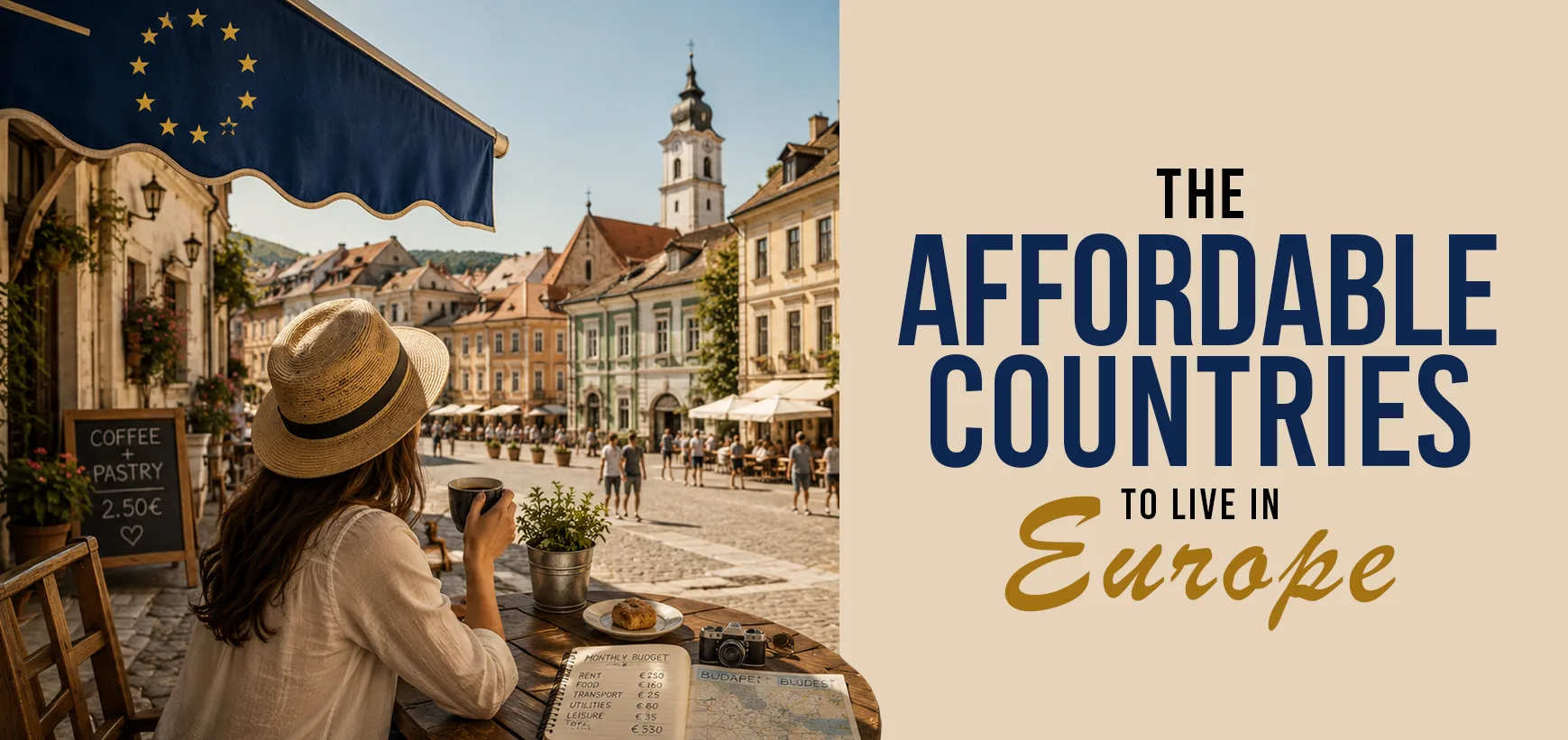






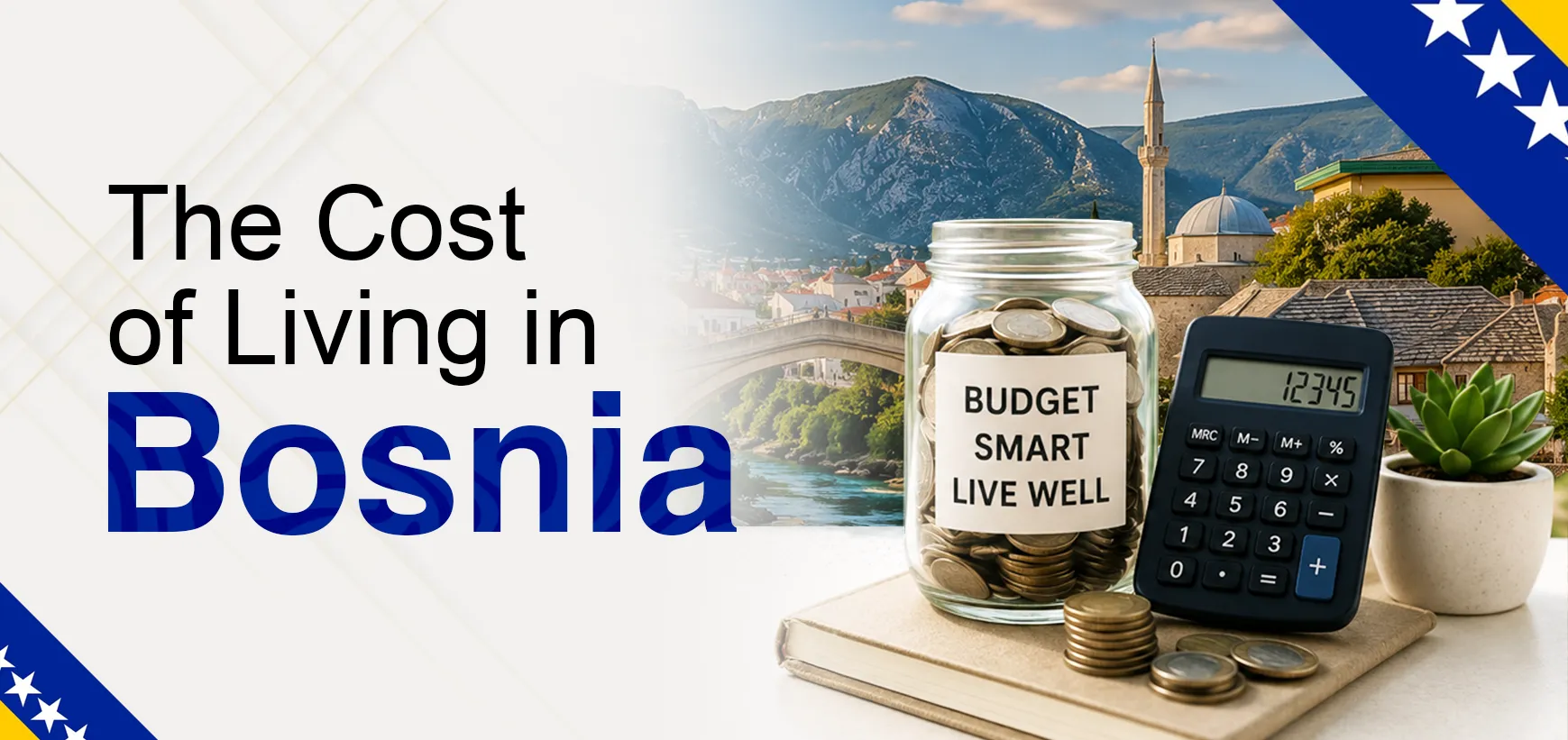
And, Bosnia and Herzegovina remains one of the most affordable places for entrepreneurs, remote workers, retirees, and students in Europe. Though most European countries experienced steep price increases in accommodation, utilities, and daily expenses, the cost of living in Bosnia remains affordable without sacrificing the standard of living.
As long as you plan to move to Bosnia, start your own business there, or just go there to explore the Balkans, you should know the country’s living costs to better plan your finances. Rental payments remain much cheaper than in Western Europe, transport is quite cheap, and dining out stays affordable for everyone. However, the prices differ from Sarajevo, Mostar, and other towns in the country, and that plays an important role in the calculation of monthly expenses.
Another aspect why Bosnia remains an affordable place to live is its economic development. Even though inflation influences people’s budgets, wage increases, improvement of the infrastructure, and rising investments keep shaping the future of this country. As stated by official data, the GDP growth amounts to 2.1-2.2%, and Bosnia keeps developing in terms of European integration. (Source)
This article contains all the information you need about rent, groceries, healthcare, and entertainment costs in Bosnia, as well as some budget tips for expats and nomads.
At KOLEKR Insights, we constantly research business and investment trends in the Balkans to help entrepreneurs and professionals to make a decision about living and working in the region.
The Reality of the Affordable Cost of Living in Bosnia
In comparison with many European Union member states, the Bosnia cost of living is still highly affordable. A decent standard of living can be achieved by earning an average salary, especially when you live outside Sarajevo.
According to the latest market analysis, an average salary is around 1,400-1,700 BAM per month, with housing being one of the main economic assets of the country. (Source)
| Expense | Single Person | Family of Four |
| Rent | 450–700 BAM | 900–1,400 BAM |
| Groceries | 350–500 BAM | 900–1,300 BAM |
| Utilities | 280–350 BAM | 350–500 BAM |
| Transport | 70–150 BAM | 150–300 BAM |
| Entertainment | 150–300 BAM | 350–700 BAM |
| Estimated Total | 1,300–2,000 BAM | 2,900–4,200 BAM |
Spending depends on your lifestyle and city.
Apartment Rent and the Base Cost of Living in Bosnia
Housing accounts for the biggest part of the cost of living in Bosnia, however, it is significantly cheaper than most of the European capitals.
The city of Sarajevo has the highest rents, due to greater demand, business and universities’ presence. Mostar is not far behind because of the tourists; meanwhile, Banja Luka, Tuzla and other cities have much cheaper rents.
Average Monthly Apartment Rent
| City | 1 Bedroom (City Centre) | 1 Bedroom (Outside Centre) |
| Sarajevo | 650–900 BAM | 450–650 BAM |
| Mostar | 500–700 BAM | 350–500 BAM |
| Banja Luka | 450–650 BAM | 320–500 BAM |
| Tuzla | 400–600 BAM | 300–450 BAM |
| Smaller towns | 250–450 BAM | 200–350 BAM |
The national average cost of renting a one-bedroom apartment is about 589 BAM in urban areas and 418 BAM in non-urban areas, and hence, Bosnia is among the more economical places to rent accommodation. (Source)
For people who intend to stay for a period longer than six months, it is advisable that they sign a long-term lease agreement.
Grocery Store Pricing and the Cost of Living in Bosnia
The cost of food has risen over recent years due to inflation and increasing importation costs, although the cost of grocery shopping is still cheaper than that of other neighbouring EU countries.
Domestic products, milk and meat continue to be reasonably priced, even more so when bought from nearby markets rather than foreign supermarket stores.
Average Grocery Prices (2026)
| Grocery Item | Average Price |
| Milk (1 litre) | 2.24 BAM |
| Bread (500g) | 1.93 BAM |
| Eggs (12) | 4.88 BAM |
| Chicken Fillet (1kg) | 13.10 BAM |
| Rice (1kg) | 3.28 BAM |
| Apples (1kg) | 2.42 BAM |
| Potatoes (1kg) | 1.82 BAM |
| Tomatoes (1kg) | 3.27 BAM |
A person can save up to 10-20% of their grocery expenses by going to green markets. (Source)
Monthly Utility Tabs in the True Cost of Living in Bosnia
Utility costs are generally affordable, though winter heating charges may add considerably to your monthly expenses, especially in the colder inland cities.
Monthly utility costs for an 85 square meter apartment include electricity, heating, water, and garbage disposal.
Typical Monthly Utilities
| Service | Average Cost |
| Electricity, Heating & Water | 289 BAM |
| Broadband Internet | 49 BAM |
| Mobile Plan | 31 BAM |
The Internet has improved substantially over the past decade, thus making it quite convenient for people working online. Fiber broadband internet is available in Sarajevo, Mostar, Banja Luka and many other major cities, with affordable prices relative to Western Europe. (Source)
Lifestyle Spending Under the Cost of Living in Bosnia
One of the primary benefits of living in Bosnia is that a comfortable lifestyle will be achieved without having to spend a large amount of money per month. Whether one would like to spend time in the traditional cafes, eat out, visit the ancient towns, or travel around the country, it will be possible to enjoy all these activities for a lot less money than in most other Western European countries.
Although Sarajevo usually charges a bit more because it’s the capital city of the country, Mostar and other small cities have maintained their reputation as places that offer great deals. This combination of low costs and a high standard of living is just one of the factors that make it worth relocating to Bosnia-Herzegovina.
Cafe and Restaurant Rates in the Cost of Living in Bosnia
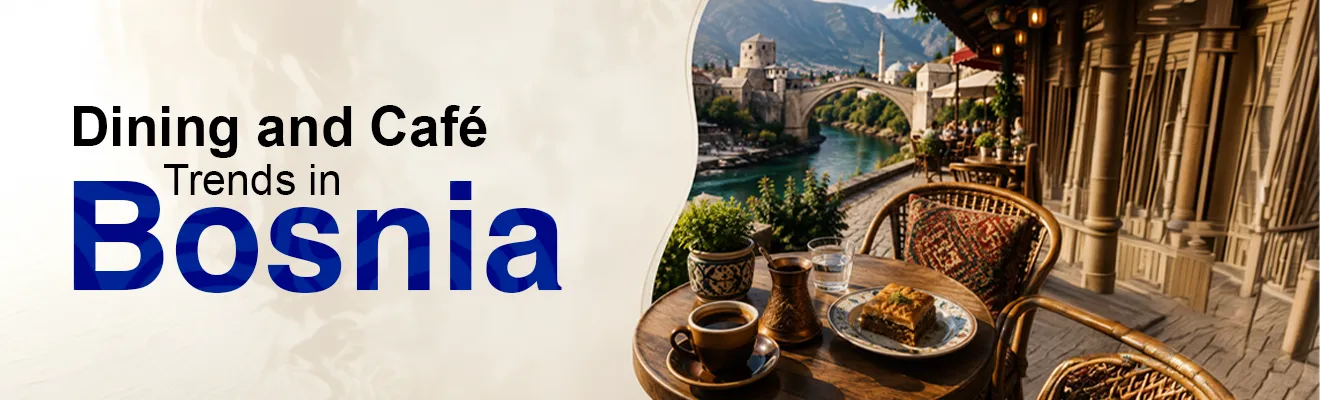
The country boasts a lively café culture, where people tend to hang out for long periods over coffee. In addition, meals are affordable, as various restaurants provide generous meals at an acceptable price range. The food from Bosnia, in addition to Mediterranean and foreign food, is abundant and does not exert much pressure on the budget.
Average Café and Restaurant Prices (2026)
| Item | Average Price (BAM) |
| Cappuccino | 3.10 |
| Espresso | 2.40 |
| Meal at an Inexpensive Restaurant | 15–20 |
| Three-Course Meal for Two | 60–90 |
| Fast Food Combo Meal | 12–15 |
| Domestic Beer (0.5L) | 4–5 |
| Imported Beer | 5–7 |
| Soft Drink | 2.80–4 |
| Bottle of Water | 2–3 |
Eating in local rather than tourist restaurants can help keep the cost of restaurants low. In cities such as Sarajevo and Mostar, seasonal tourism might cause prices in menus to increase during summer.
Entertainment Budgets and the Cost of Living in Bosnia
Even today, entertainment can be considered one of the most valuable aspects when estimating the cost of living in Bosnia. No matter whether one is fond of sports, films, live shows, skiing, or weekend trips through the mountains and national parks of Bosnia, leisure will always be within financial reach.
The monthly budget for entertainment varies from 150 BAM to 350 BAM for an average person, according to personal tastes.
Typical Monthly Entertainment Costs
| Activity | Average Cost (BAM) |
| Gym Membership | 45–70 |
| Cinema Ticket | 8–12 |
| Theatre or Cultural Event | 15–40 |
| Streaming Subscription | 12–30 |
| Weekend Domestic Trip | 120–300 |
The beauty of nature in Bosnia also makes life easy in this aspect. Various kinds of activities like hiking, cycling, rafting and discovery of old towns usually cost almost nothing.
Bus and Taxi Fees Affecting the Cost of Living in Bosnia
Transportation is one other sector where prices in Bosnia continue to be reasonable. Transport systems exist in major cities, while taxis still provide a reasonable means of transport as compared to most other European capitals.
The possession of private vehicles is still relatively cheap too, though consideration of fuel and maintenance costs is advised in advance budgeting.
Average Transportation Costs
| Transport Type | Average Cost (BAM) |
| One-Way Bus Ticket | 2.00–2.50 |
| Monthly Public Transport Pass | 55–70 |
| Taxi Starting Fare | 2.50–3.50 |
| Taxi per Kilometre | 1.20–1.80 |
| Petrol (1 Litre) | 2.45–2.80 |
Remote workers usually find themselves able to use transport and taxis rarely if at all, and their costs of transportation remain much lower than in bigger European cities.
Regional Differences in the Cost of Living in Bosnia
Even though Bosnia is perceived as a country with low living expenses, there is a significant variation in the costs of living based on the place where one decides to settle down.
One needs to be aware of these variations as they are especially important for people who intend to relocate to Bosnia or set up a business there.
Sarajevo Prices Compared to the Cost of Living in Bosnia
Being the political, economic, and business center of Bosnia and Herzegovina, Sarajevo is the city with the highest cost of living in the country.
Increased demand for housing, a higher number of foreigners, and economic activity result in higher housing costs. At the same time, people living in Sarajevo have more employment opportunities, better infrastructure, international schools, as well as more restaurants and healthcare facilities.
From the perspective of a professional and businessman, the extra cost does not matter much.
Mostar and Tourist Shifts in the Cost of Living in Bosnia
The most attractive thing about Mostar is that it provides an affordable living standard along with a comfortable way of life. Due to its famous UNESCO World Heritage site and strong tourism sector, Mostar sees fluctuations in hotel and dining costs according to seasons.
During non-peak tourist seasons, there are affordable rent options while essentials still cost less compared to other European cities.
Today, telecommuters find Mostar attractive owing to the mild weather and lower operational costs.
Small Historic Towns Lowering the Cost of Living in Bosnia
Trebinje, Travnik, Bihać, Zenica, and Tuzla represent cities with the most affordable living costs in the country.
Accommodation is more affordable, local markets provide food products at affordable prices, and commutes are relatively short.
These cities are perfect for retirement, telecommuting, or conducting business with lower costs due to the lower Bosnia cost of living.
Comparative Cost in Major Cities
| City | Rent | Groceries | Utilities | Overall Living Cost |
| Sarajevo | Highest | Moderate | Moderate | Highest |
| Mostar | Moderate | Moderate | Moderate | Medium |
| Banja Luka | Moderate | Moderate | Moderate | Medium |
| Tuzla | Lower | Lower | Moderate | Affordable |
| Smaller Towns | Lowest | Lowest | Lower | Most Affordable |
Unseen Bills in the Total Cost of Living in Bosnia
While routine expenditures could be kept relatively low, there are additional costs that one might not expect when they move to the new country.
Expenses related to health care, bureaucracy, insurance, and foreign consumer goods might increase your monthly or annual costs in an unexpected way.
Considering the hidden expenses will help you have a clearer understanding of the cost of living in Bosnia.
Medical Care Costs and the True Cost of Living in Bosnia
Bosnia has a system of public health services that is financed through mandatory health insurance coverage. But most expats prefer private health service providers due to quick access and the presence of English-speaking doctors.
Private consultations in Bosnia are relatively affordable compared to other countries in Western Europe.
Healthcare expenses can be estimated as follows:
| Healthcare Service | Average Cost (BAM) |
| GP Consultation | 40–70 |
| Specialist Consultation | 60–120 |
| Private Dental Check-up | 50–100 |
| Comprehensive Private Health Insurance | 80–250/month |
Clothing and Retail Taxes in the Cost of Living in Bosnia
Clothing bought from local vendors is inexpensive, whereas foreign brands tend to be more expensive due to customs duty and other fees of transportation.
In Bosnia, all products and services are taxed with 17% Value Added Tax (VAT). Sales that occur during winters and summers give people an opportunity to buy foreign goods with great discounts.
Buying local and going for local brands is one way to save money.
Legal Paperwork Fees Adding to the Cost of Living in Bosnia
People relocating to Bosnia should also budget for the administrative costs that are linked to relocation or business establishment.
These costs can include:
| Administrative Expense | Estimated Cost (BAM) |
| Residence Permit Processing | 100–300 |
| Certified Document Translation | 20–50 per page |
| Notary Services | 30–150 |
| Business Registration Fees | 300–800 (depending on structure) |
Although these are one-time costs, including them in the planning process for relocation makes the overall cost of moving to Bosnia much more realistic.
Expat Budgets and the True Cost of Living in Bosnia
The affordable cost of living in Bosnia is undoubtedly one of the main strengths of this nation for those who plan to live there permanently or semi-permanently. Compared to other Western European nations, Bosnia can offer more affordable housing, public transport and even other essential services, making it possible to lead a decent life on a moderate budget.
Regardless of whether you work for a local currency or receive your money in euros, pounds, or US dollars, you will probably find yourself having more purchasing power compared to other neighbouring EU nations. The cost of living affordability has become an important factor why more and more people are willing to move to Bosnia.
Foreign Income Value vs. the Local Cost of Living in Bosnia
People who have earned money from overseas are at an advantage due to the positive exchange rate of the country and relatively cheaper living costs.
In other words, a professional living in a distant place earning €2,500 per month can easily afford accommodation, food, travel, medical costs, recreation, savings, and more. Likewise, many people who are receiving their pensions from Western Europe feel that it is economically wise to move to Bosnia.
Estimated Expenses by Lifestyle per Month
| Lifestyle | Estimated Monthly Cost (BAM) | Estimated Monthly Cost (€) |
| Budget | 1,200–1,500 | €610–€770 |
| Comfortable | 1,800–2,400 | €920–€1,230 |
| Premium | 2,800–4,000 | €1,430–€2,050 |
The following are only estimates and depend upon personal expenditure and location.
Entrepreneurs would also find it a financially viable place due to reduced operating costs.
Digital Nomad Savings on the Base Cost of Living in Bosnia
Bosnia is gradually earning its reputation among the digital nomads seeking an affordable European hub. The availability of good Internet connection, improved coworking facilities, and cheap accommodation enables remote workers to lower their monthly expenditure while being able to enjoy a visit to the historic cities, mountains, and laid-back lifestyle.
The cost of monthly Internet service plans is fairly cheap, Wi-Fi is usually free at coffee shops, and coworking memberships are much cheaper compared to large European cities.
The estimated cost for a month includes:
| Expense | Average Cost (BAM) |
| Coworking Membership | 180–350 |
| Fibre Internet | 45–60 |
| Coffee Meetings | 80–150 |
| Public Transport | 60–70 |
For individuals who earn foreign income, such monthly expenses are only a fraction of their monthly salary.
Strategic Moves to Beat the Cost of Living in Bosnia
Even though Bosnia and Herzegovina is an affordable country in Europe, several effective tips will help you spend less money without diminishing the level of your comfort.
Sourcing Local Goods to Slash the Cost of Living in Bosnia
One of the most effective ways to save money is to buy things locally. Local fruits, vegetables, dairy products, and meats usually cost less than imported goods found at the supermarket chain.
Buying locally made products helps save money since there won’t be import fees and other additional expenses.
Other effective tips to help you save money are:
- Buy local seasonal fruits and vegetables
- Use regional brands instead of imported products
- Leverage weekly supermarket sales
- Utilize public transport, not taxis only
- Enjoy outdoor activities for free (hiking, festivals)
Long-Term Housing Deals to Lower the Cost of Living in Bosnia
The cost of accommodation is the highest monthly expenditure, thus making it the easiest aspect through which savings can be made.
Rental prices are normally lower for a period of six months or a year than they are for shorter periods of stay. Properties that are situated slightly away from the city centre offer great value without being too far from public transport networks.
For anyone intending to move into Bosnia, a longer period of rent will prove very economical.
Bosnia Economy Snapshot
An analysis of the Bosnia economy is helpful when looking into the living cost and future opportunities that may be available in the country.
Bosnia and Herzegovina has diversified its economy in the last decade by embracing manufacturing, tourism, information technology, green energy and business services. Despite the issues of labor migration and complexities in administration, the government has been making efforts to enhance infrastructure and engage in more European integration, which has helped create business opportunities.
Bosnia Economic Indicators (2026)
| Indicator | Estimated Value |
| Currency | Bosnia and Herzegovina Convertible Mark (BAM) |
| GDP Growth | Approximately 2.1–2.2% |
| Inflation | Moderating after recent peaks |
| Average Monthly Net Salary | Around 1,400–1,700 BAM |
| Standard VAT Rate | 17% |
| Major Industries | Manufacturing, Metals, Automotive Components, Tourism, IT, Agriculture, Energy |
Bosnia is blessed with an ideal geographic location in Southeast Europe, with cheap labor and growing trading relations with the European Union. Manufacturing forms one of the strongest segments in the economy, along with tourism, which is attracting more foreign tourists.
In light of the economy of Bosnia, business people find low-cost operations and access to regional markets quite favourable.
Final Verdict on the Real Cost of Living in Bosnia
The country of Bosnia and Herzegovina remains one of the most valuable places in Europe when it comes to professionals, entrepreneurs, retirees and even digital nomads. The country provides affordable real estate, a good healthcare system, affordable transport and amazing culture, which would be quite expensive in many neighbouring countries.
Of course, Sarajevo remains the most expensive city in the country, but there are plenty of other destinations which provide an excellent quality of life for much smaller prices. It is possible to decrease the monthly cost by budgeting carefully, buying local products and finding long-term rental apartments.
In addition to its value for living, Bosnia becomes more and more interesting from a business perspective. The development of investment, tourism, technology services and the competitive Bosnia industry provide many new opportunities not only for entrepreneurs but also for foreign investors.
At KOLEKR Insights, we pay attention to the analysis of the business, investments and economic trends in the Balkans region in order to help entrepreneurs, investors and business people make decisions in one of the most rapidly developing regions of Europe. If you want to learn something about the cost of living in Bosnia or some other market information, start with our region insights.
Is the Low Cost of Living in Bosnia Worth It?
For most individuals, this question has an affirmative answer. Bosnia-Herzegovina is known for its low cost of living, quality of life, hospitable population, beautiful natural surroundings, and increasing opportunities for doing business. If you want to move, retire, work from home, or do business, then Bosnia will be a great option.
Frequently Asked Questions About Cost of Living in Bosnia
1. Is Bosnia cheaper than Croatia?
Yes. Overall, housing, food, transport, and other utilities are cheaper in Bosnia than in Croatia, but the prices will vary depending on the city and the lifestyle of the individual.
2. What is the amount of money required to have a comfortable life in Bosnia?
A single person requires around 1,800-2,400 BAM monthly, while a family of four would need 2,900-4,200 BAM every month.
3. Is Bosnia suitable for digital nomads?
Certainly. Due to cheap accommodation options, fast internet connection, low cost of living, and availability of coworking spaces, this country is suitable for digital nomads.
4. What is the cheapest city in Bosnia?
Smaller cities like Trebinje, Travnik, Tuzla, and Bihać will be cheaper than Sarajevo and Mostar, especially when talking about the price of housing.
5. Are medical services expensive in Bosnia?
The cost of medical services in Bosnia is relatively low when compared with Western European countries. There is public healthcare for eligible individuals and private healthcare services that are affordable for foreigners.