





- What Makes Exploring Authentic Albanian Villages So Unique for Travellers?
- Strategic Travel Planning Tips for Exploring Remote Albanian Villages
- Cultural Etiquette and Seasonal Highlights When Visiting Albanian Villages
- Plan Your Next Authentic European Adventure With Kolekr Insights’ Albanian Villages Guide
- Frequently Asked Questions About Albanian Villages
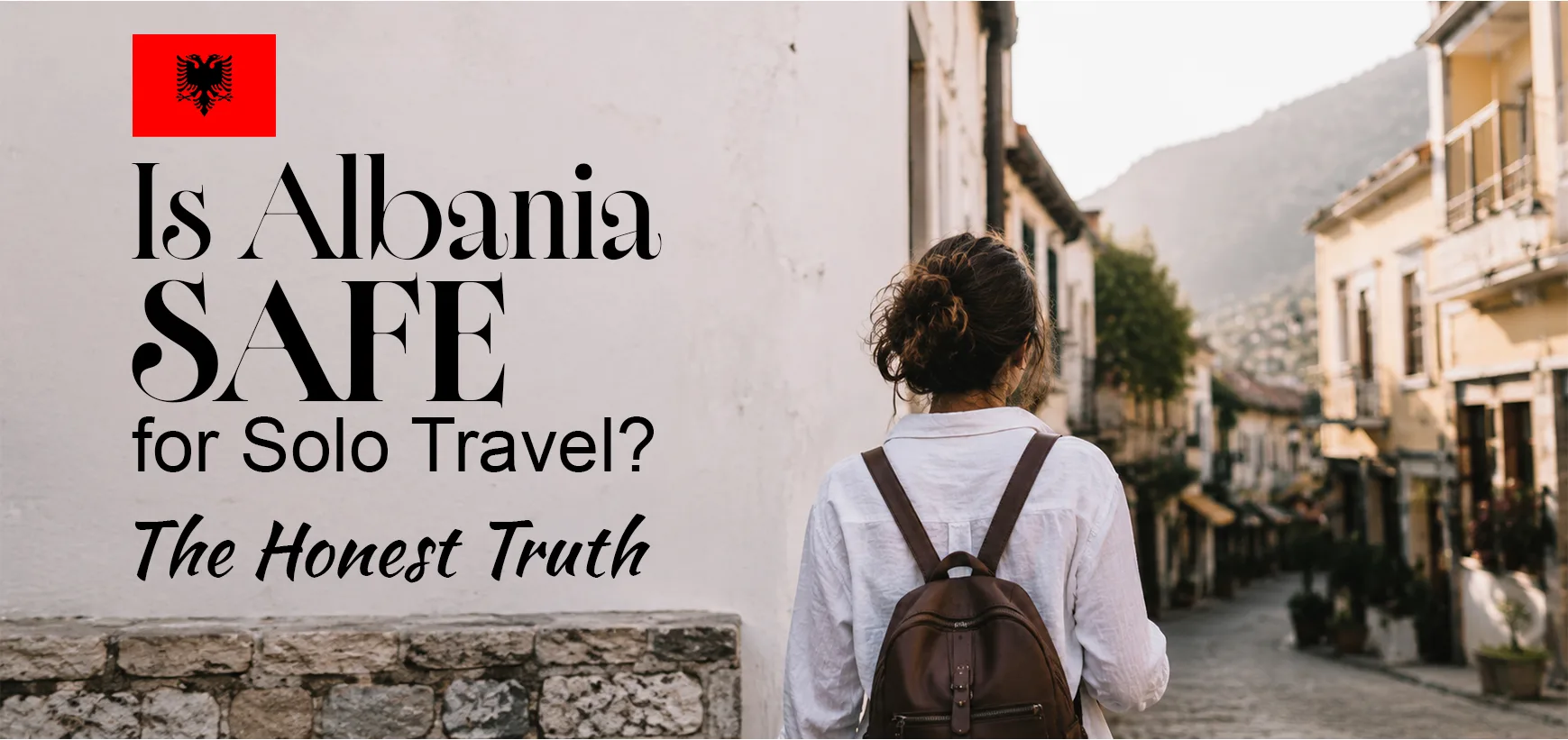
A mountain view might bring you to an Albanian village. A long lunch, a conversation with your host or a narrow lane you had no reason to hurry through might become the part you remember.
Across Albania, village travel offers very different experiences. In the north, settlements sit beneath steep mountain walls, with walking routes leading out towards valleys and high passes. Along the southern coast, old stone neighbourhoods rise above the Ionian Sea. Further inland, villages around Korçë bring together historic churches, forest walks and a cooler mountain setting.
These places offer a closer look at Albanian life, although none tells the whole country’s story. Architecture, food, language and daily routines change from region to region.
This Kolekr Insights guide to Albanian Villages helps you choose where to go, understand what makes each area distinctive and plan a journey with enough time to enjoy it.
For a first visit, start with your interests: Theth and Valbona for mountain scenery, Old Qeparo and Dhërmi for coastal heritage, or Voskopojë for architecture and countryside walks.
What Makes Exploring Authentic Albanian Villages So Unique for Travellers?
The appeal lies in the relationship between the landscape and the people who live there. A stone house, a kitchen garden or a mountain path makes more sense when you understand how it fits into everyday life.
Village travel gives you room to notice those connections. Staying overnight can also change the experience: you have time for breakfast with your hosts, a walk before day visitors arrive and a meal without a return journey hanging over it.
Yet “authentic” should not mean expecting a place to remain unchanged. Rural communities have modern businesses, new buildings and families whose lives extend well beyond the village. The Albanian lifestyle is as contemporary as it is rooted in tradition.
Preserved Traditional Architecture and Heritage Found in Albanian Villages
Stone is a recurring feature, but the buildings are far from identical.
In Old Qeparo, houses and narrow alleys occupy a hillside above the coast. Dhërmi’s historic village combines stone architecture with churches and views over the Ionian Sea. Inland, Voskopojë is known for stone-built houses, cobbled streets and its cultural and religious heritage. Each offers a different way to explore Albania’s built history. Official Tourism Website
Look beyond the most photographed façade. Notice the entrances, rooflines, courtyards and relationship between buildings and the slope. A local guide can help explain details that are easy to miss when walking alone.
If your wider itinerary includes Berat and Gjirokastër, keep the distinction clear: these are historic cities, rather than villages. Their UNESCO-listed centres provide valuable context for Albania’s architectural heritage and make worthwhile additions to a rural journey. UNESCO World Heritage Centre
If traditional architecture is a highlight of your journey, combine your village stays with a visit to some of the most beautiful Balkan old towns, including Berat.
Warm Alpine Hospitality and Farm-to-Table Dining in Local Albanian Villages
Choosing a small guesthouse gives you the opportunity to meet the people hosting you. In the northern mountains, hospitality is an established part of the visitor experience; Albania’s National Tourism Agency highlights it in its account of Valbona. Official Tourism Website
Food is often the easiest place to begin a conversation. Ask what is seasonal, which dishes are regional and whether any ingredients come from the household’s own garden or nearby producers.
Depending on the property and season, meals might include byrek, vegetable dishes, beans, yoghurt, cheese or grilled meat. Ask what is available rather than arriving with a fixed menu in mind.
“Farm-to-table” deserves a little curiosity. A rural address does not automatically mean everything served is grown on site. Good questions are more useful than a marketing label:
- What is prepared in the guesthouse kitchen?
- Which ingredients are sourced locally?
- Can dietary requirements be accommodated?
- Should dinner be ordered before arrival?
A simple meal with a clear connection to its ingredients can tell you more about a place than an elaborate tasting menu.
Essential Travel Regions to Discover the Best Albanian Villages
The best villages in Albania depend on the journey you want. Mountain hiking, coastal walking and inland cultural travel require different routes, seasons and levels of preparation.
Use this table to narrow your shortlist.
| Village or area | Region | Main appeal | Planning consideration |
| Theth | Northern Albanian Alps | Mountain setting and walking routes | Choose walks around your fitness and current conditions |
| Valbona | Northern Albanian Alps | Valley scenery and a base for mountain exploration | Plan onward transport before committing to a crossing |
| Old Qeparo | Southern Riviera | Stone lanes and elevated coastal views | Check whether accommodation is uphill or near the beach |
| Dhërmi old village | Southern Riviera | Historic architecture, churches and sea views | Distinguish the old village from the beachfront area |
| Voskopojë | South-east, near Korçë | Cultural heritage, stone streets and nature walks | Confirm access to individual churches in advance |
The shortlist draws on Albania’s official tourism material; the planning notes are editorial guidance. akt.gov.al
Alpine Magic and Hiking Trails Connecting Northern Albanian Villages
Theth and Valbona are natural starting points for travellers drawn to the Albanian Alps. Their appeal includes the mountain setting itself, so you do not need an ambitious walking itinerary to make a stay worthwhile. Albania’s tourism agency identifies both valleys as established northern destinations. Official Tourism Website
Choose your accommodation around the walks you actually intend to do. A property described as being “in the valley” may still require a transfer to your preferred starting point.
If you plan to walk between Theth and Valbona, treat it as a mountain journey. Confirm the route, weather, snow conditions, luggage arrangements and onward travel locally before setting out. A route shown on a map is not evidence that it is suitable on your dates.
Leave room for a shorter day, too. You may enjoy an unhurried valley walk more than a demanding itinerary that leaves little time for the village itself.
Coastal Scenery and Old Stone Pathways Across Southern Albanian Villages
For a combination of heritage and sea views, focus on the older hillside settlements.
Old Qeparo is particularly useful for understanding the difference between village and beach travel. The historic settlement sits uphill, with stone houses and narrow lanes, while much of the accommodation is concentrated lower down and near the coast. Check the exact location before booking. Official Tourism Website
Dhërmi offers another version of this relationship. Its old village occupies the mountain slopes above the Ionian Sea, with historic churches and characteristic alleys. A beachfront stay and an old-village stay can therefore produce quite different holidays. Official Tourism Website
For either destination, decide what matters most: walking out to the beach, staying among older buildings or having easier vehicle access. Trying to secure all three without checking the map can lead to an inconvenient booking.
Inland Heritage and Countryside Walks Around Voskopojë
The Albanian countryside extends well beyond the Alps and Riviera.
Voskopojë, approximately 20 kilometres west of Korçë and around 1,200 metres above sea level, offers a mountain setting with traditional architecture, Christian heritage and opportunities for forest walks. It suits travellers who want cultural visits alongside time outdoors. Official Tourism Website
Pairing it with Korçë creates a practical balance between a rural stay and access to a larger centre. When comparing villages with towns in Albania, think about the services you need as well as the scenery you want.
Strategic Travel Planning Tips for Exploring Remote Albanian Villages
A good rural itinerary leaves space between destinations. Distances alone can be misleading when roads wind through mountains, accommodation sits away from the main route or transport requires a change.
For a first trip, choose one region and spend longer there. Combining northern hiking, southern beaches and south-eastern villages in a short visit can turn a slow-travel holiday into a succession of transfers.
Recent Tourism Statistics: Why Planning Matters
Albania’s growing visitor numbers provide useful context for trip planning.
| Official measure | 2024 | 2025 |
| Foreign-citizen arrivals | 11,696,111 | 12,466,038 |
| Arrivals recorded under holidays, visits to relatives and similar purposes | 11,079,872 | 11,614,932 |
Foreign-citizen arrivals increased by 6.6% in 2025. INSTAT published these full-year figures in January 2026. These are border-entry counts, which can include repeat entries; they do not represent unique tourists or visits to individual villages. instat.gov.al
The practical response is straightforward: secure the accommodation and transfers that matter most to your route, especially when your dates are fixed. National growth does not tell you whether a particular village will be crowded, but it is a reason to check availability early.
Transportation Options and Road Conditions Near Hidden Albanian Villages
Your transport choice should reflect the final stretch of the journey, not simply the route from the airport.
| Option | Most useful for | Confirm before travelling |
| Hire car | Flexible stops and a wider rural route | Final road surface, parking and rental conditions |
| Private driver | Mountain journeys or travellers who prefer not to drive | Exact destination, stops and total agreed fare |
| Bus or shared minivan | Budget travel between regional centres | Current departure point, service days and last connection |
| Guesthouse transfer | Reaching accommodation from a nearby hub | Pick-up location, luggage capacity and booking |
Road quality varies. Current UK travel guidance notes poor surfaces in rural areas and hazards after dark, including unmarked roadworks and unlit vehicles. Ask your host which approach road to use and aim to arrive in daylight. GOV.UK
Before leaving a regional centre, download your route, carry some Albanian lek and confirm how you will contact the property if delayed. If travelling without a car, arrange the return journey as carefully as the arrival.
Choosing Eco-Lodges and Authentic Guest Houses in Rural Albanian Villages
Start with practical questions, then consider the atmosphere.
Photographs can show a beautiful room without revealing steep access steps, a shared bathroom or a long walk from the parking area. Ask for details that affect your own comfort.
| What to check | Why it matters |
| Exact location and access | A village address can cover a large or steep area |
| Bathroom arrangements | Private facilities are not universal |
| Meals and kitchen hours | Nearby dining options may be limited |
| Heating or cooling | Needs vary significantly by elevation and season |
| Payment methods | Carrying cash may be necessary |
| Accessibility | Old buildings and lanes can involve steps and uneven surfaces |
| Environmental practices | Specific actions give substance to an “eco” claim |
For an eco-lodge, ask about water use, waste handling, local employment and food sourcing. Clear answers are more persuasive than a green logo.
A family-run Albanian village guesthouse can offer valuable local insight, but choose it because its location, facilities and approach suit your trip.
Cultural Etiquette and Seasonal Highlights When Visiting Albanian Villages
Travelling thoughtfully starts with recognising that a village is someone’s home.
Ask before photographing people, entering a courtyard or using a drone near houses. Follow local instructions in religious buildings and keep noise low around homes and guest rooms.
A few Albanian words can help: përshëndetje for hello and faleminderit for thank you. You do not need perfect pronunciation to show consideration.
Cultural Traditions and Local Festivals Celebrated in Historic Albanian Villages
A local celebration can add depth to a visit, but confirm what is happening before building an itinerary around it. Ask your host or municipality about church feast days, food events, music programmes or other gatherings during your stay.
Dhërmi’s official tourism listing, for example, notes cultural activities and festivals during the tourist season. Check the individual programme to understand whether an event centres on local heritage, contemporary music or another theme. Official Tourism Website
If invited to join a gathering, follow your host’s lead. Ask before filming, respect religious practices and avoid treating private celebrations as visitor attractions.
When Should You Visit Albanian Villages?
Choose the season around the activity, then confirm conditions for your specific destination.
| Period | Trip to consider | Main point to check |
| April–May | Lower-elevation villages and coastal heritage walks | Rain, opening dates and lingering mountain snow |
| June–September | Alpine stays and mountain walking | Current trail conditions, weather and accommodation |
| September–October | Coastal villages and inland cultural trips | Shorter days and seasonal service changes |
| November–March | Selected rural stays with confirmed winter access | Heating, road access and transport disruption |
Note: These are broad planning windows rather than guaranteed conditions.
Mountain and coastal itineraries need different expectations. Current travel guidance notes that winter snow can disrupt transport and services, while hot, dry conditions can bring wildfire risk. Check local updates close to departure. GOV.UK
Plan Your Next Authentic European Adventure With Kolekr Insights’ Albanian Villages Guide
Start with what you want your days to feel like.
If you want mountain walks and valley views, build your route around the north. If you prefer stone lanes followed by time beside the sea, explore the southern Riviera. For architecture, cultural visits and countryside walks, consider the villages around Korçë.
Then leave a little space. Stay another night, ask your host what is worth seeing nearby and permit yourself to spend an afternoon in one place.
Use this Kolekr Insights Albanian Villages guide to create your shortlist, then confirm accommodation, transport and seasonal access directly with local providers. The most rewarding journey is one that gives you time to understand the places you came to see.
Frequently Asked Questions About Albanian Villages
1. Which are the best Albanian Villages for a first visit?
Choose Theth or Valbona for mountain scenery, Old Qeparo or Dhërmi for coastal heritage, and Voskopojë for architecture and countryside walks. Pick one region first, then build a route around the time and transport available.
2. What is the best time to visit Albanian Villages?
Late spring and early autumn are useful starting points for lower-elevation cultural trips. Summer is generally the main planning window for Alpine walking, although weather and snow conditions determine whether individual routes are suitable. Confirm locally before hiking.
3. Can you explore Albanian Villages without hiring a car?
Yes, if you plan around regional transport hubs and arrange the final connection. Buses or shared minivans may cover part of the journey, followed by a taxi or guesthouse transfer. Confirm service days and your return transport before setting out.
4. How many days should you spend exploring Albanian Villages?
Allow at least two nights in your main village base if you want time for a walk, a cultural visit and an unhurried meal. For a week-long holiday, concentrating on one region usually leaves more time to explore than trying to cover the entire country.
5. Are Albanian Villages suitable for families and older travellers?
Some are, but suitability depends on the property and planned activities. Ask about steps, uneven lanes, parking distance, bathroom access and nearby services. A comfortable rural stay does not require high-altitude hiking; choose accommodation and walks around everyone’s mobility and interests.