





- What Defines the Status of the Richest Balkan Country Today?
- Essential Business Advantages of Investing in the Richest Balkan Country
- Strategic Market Entry Steps into the Richest Balkan Country
- Comparative Analysis: How Other Regional Markets Measure Against the Richest Balkan Country
- Scale Your European Business Vision With Kolekr Insights Richest Balkan Country Analysis
- FAQs About the Richest Balkan Country
A rich country can offer attractive customers, reliable suppliers and good infrastructure. But for a business owner, the real question is more practical: can those advantages help your company grow?
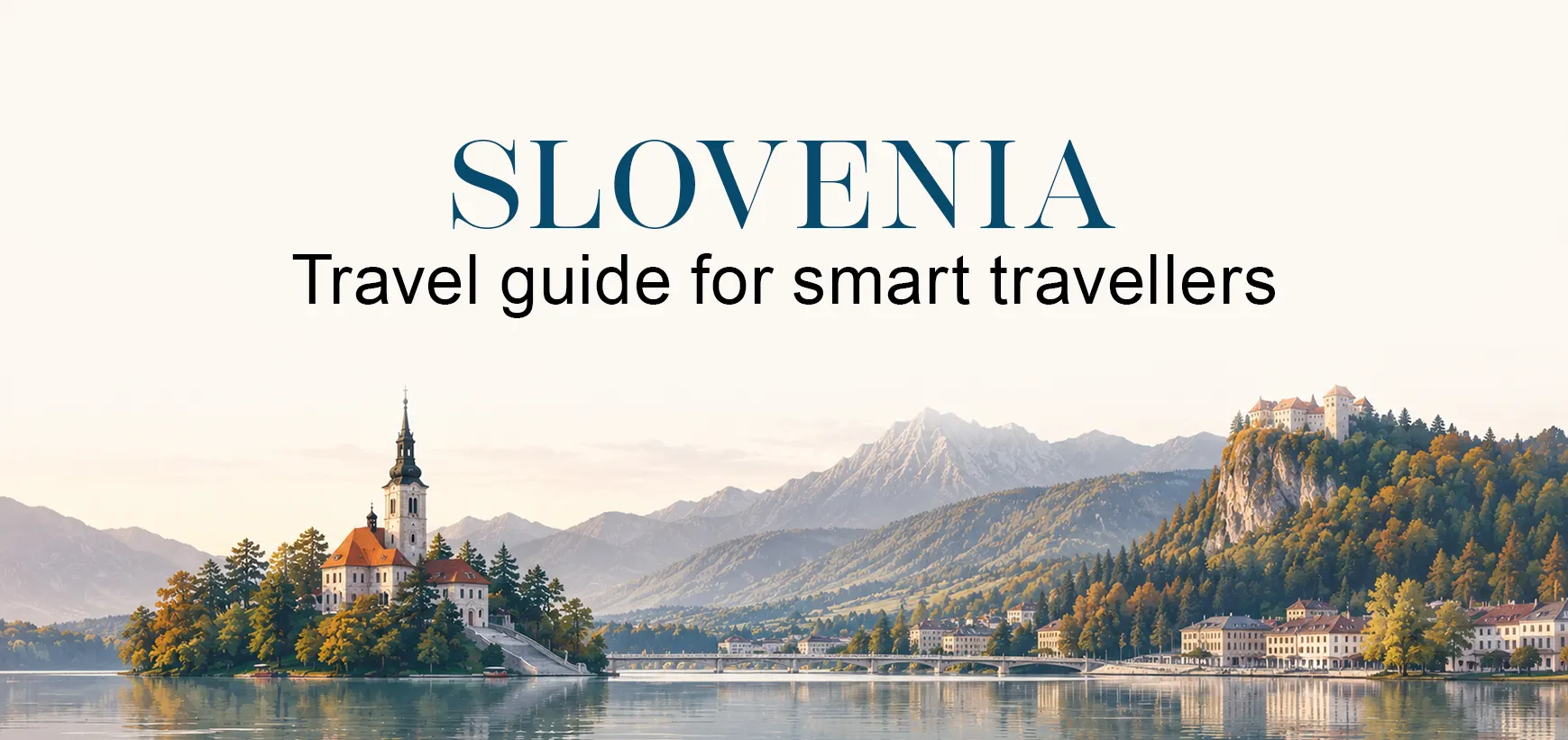
Slovenia offers a useful case study. Compared to the Balkans more generally, it is the richest Balkan country by GDP per capita. Its appeal extends beyond the ranking, combining access to European markets with an economy where quality, technical expertise and reliable delivery matter.
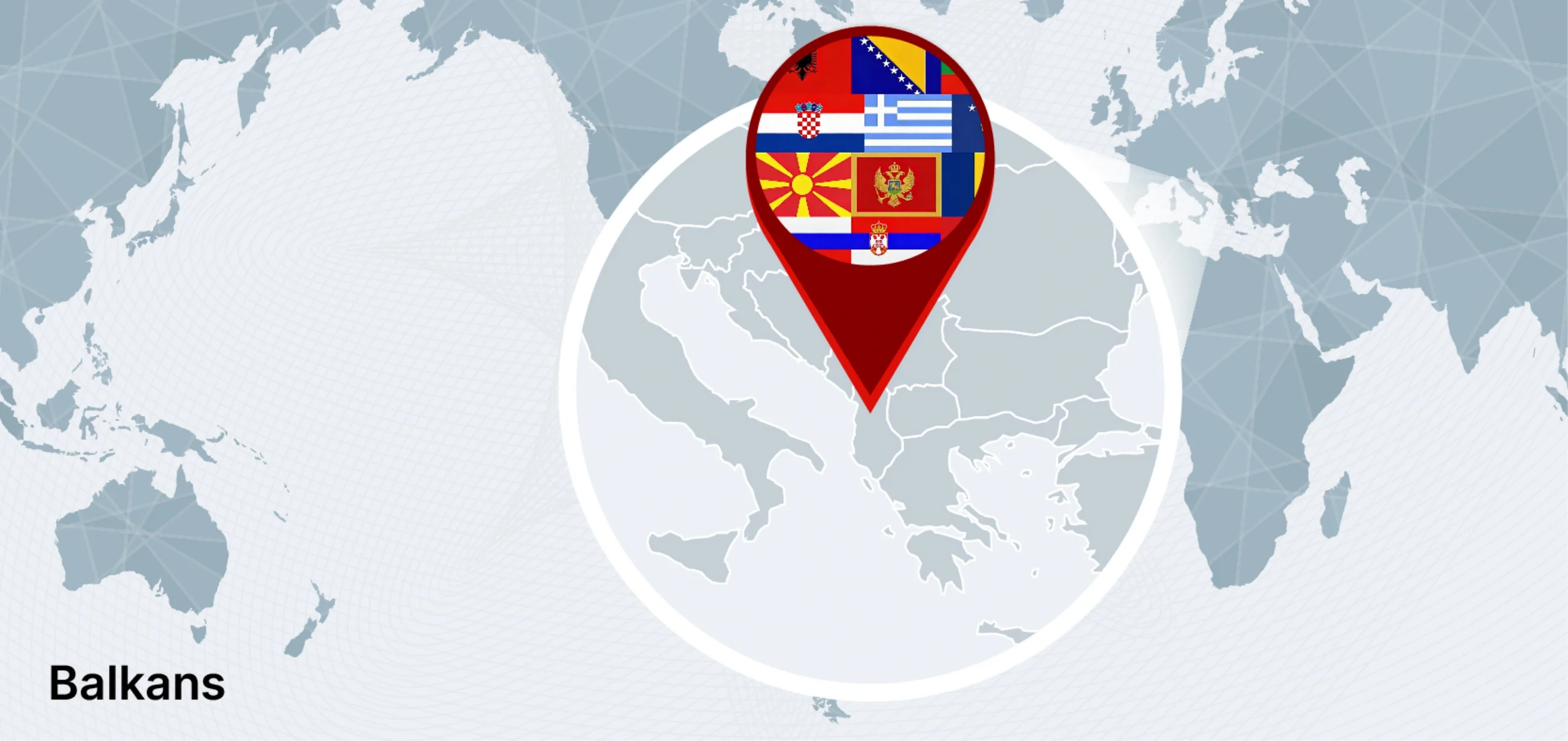
There is an important distinction, however. Slovenia is also widely described as a Central European country, and definitions of the Balkans vary. “Richest” here means economic output per person, rather than the largest national economy or the greatest personal wealth.
For founders and investors exploring the region, that definition provides a starting point. The next step is understanding whether Slovenia’s strengths match your business model.
What Defines the Status of the Richest Balkan Country Today?
Looking at total GDP isn’t the only way to compare national wealth. A big country can make a lot overall, but have less economic output per person.
Three measures help clarify the picture:
| Indicator | What it measures | Why businesses should care |
| Nominal GDP per capita | Economic output per person at current prices | Helps compare economic scale relative to population |
| GDP per capita in purchasing power standards | Output per person adjusted for differences in prices | Makes comparisons between countries more meaningful |
| Actual individual consumption per capita | Goods and services consumed by individuals | Offers a closer indication of household material wellbeing |
These indicators answer different questions. None directly measures the income of your target customer.
For example, a specialist software company needs to understand enterprise technology budgets. A premium retailer needs evidence of spending within its specific customer segment. National prosperity helps frame the research, but customer interviews and local pricing studies make it commercially useful.
Key Financial Indicators Elevating the Richest Balkan Country
Slovenia’s revised national accounts put 2025 GDP at €71.17 billion, with GDP per capita of €33,380 and real economic growth of 1.5%. These annual figures supersede earlier estimates. Source: SURS. stat.si
The June 2026 purchasing power release placed Slovenia’s 2025 GDP per capita at 90% of the EU average. Actual individual consumption stood at 86%, while household consumer prices averaged 89% of the EU level. These estimates remain subject to revision. Source
Together, the figures suggest a relatively prosperous regional market with purchasing power still below the EU average. For businesses, this supports a careful proposition: offer clear value, credible quality and dependable service rather than assuming customers will accept any premium price.
How Strategic Location Powers the Richest Balkan Country
Slovenia borders Italy, Austria, Hungary and Croatia. That location makes it worth assessing for companies serving both Central European and Southeast European customers.
Its institutional connections strengthen that position. Slovenia joined the EU in 2004, adopted the euro in 2007, and entered the Schengen Area later that year. Euro membership simplifies transactions with other euro-area markets, while EU membership provides access to the single market under applicable rules. European Union
The Port of Koper adds a maritime connection to the country’s road and rail network. Its operator describes the port as a multipurpose facility at the intersection of transport routes. Luka Koper d.d.
The practical test is the complete supply chain. Compare freight quotes, warehouse availability, transit times and delivery reliability before choosing a location.
Essential Business Advantages of Investing in the Richest Balkan Country
Slovenia deserves consideration when your business competes through expertise, consistency or proximity to European customers.
A specialist manufacturer may value technical collaboration. A B2B service provider may benefit from working within clients’ time zones. A distributor may find that regional connectivity supports a more responsive delivery model.
However, advantages only matter when they improve the numbers. Build your assessment around customer acquisition costs, operating expenses, gross margins and working capital.
A useful early question is: what would locating in Slovenia allow us to do better? If the answer is specific—faster support, easier customer visits or stronger supplier coordination—the market merits closer investigation.
Competitive Tax Frameworks Across the Richest Balkan Country
Slovenia should be evaluated on its complete operating proposition rather than an assumption of exceptionally low taxation.
The corporate income tax rate applicable to tax bases for 2024–2028 is 22%. Although the underlying general rate is 19%, Slovenia’s tax authority confirms the temporary higher rate for those years. fu.gov.si
The current SPOT guidance also identifies conditional relief for research and development, investment, employment, and the digital and green transition. Eligibility and limits determine how much a company can use. SPOT
| Planning question | What to establish |
| Where will profits be taxable? | Entity structure, management location and actual business activity |
| Which incentives could apply? | Eligible expenditure, documentation and deduction limits |
| How will cross-border transactions work? | VAT treatment, invoicing and related-party arrangements |
| What is the full employment cost? | Salary, contributions, benefits and administration |
Ask an accountant to model your intended operation. A headline tax rate cannot reveal the final cost of running it.
Top High-Growth Industries Dominating the Richest Balkan Country
Recent growth provides useful clues about where to investigate demand.
In Slovenia’s revised 2025 accounts, information and communication value added grew 7.3%, financial and insurance activities 5.8%, and construction 4.6%. Manufacturing remained substantial at 18.7% of GDP, although its value added declined 1.6%. Source
Those figures support further research into several opportunities:
- Digital services: workflow automation, cybersecurity, software integration and specialist business applications.
- Construction services: energy efficiency, project coordination and building technology.
- Industrial services: maintenance, quality control, production software and supplier support.
- Professional services: technical consulting and expertise that solves a clearly defined operational problem.
These are potential avenues, not guaranteed investment outcomes. Even a growing sector can contain crowded niches. Start with an identifiable buyer, a costly problem and evidence that your solution improves the buyer’s position.
For a more detailed overview of the Slovenian pharmaceutical industry, see our guide to the top pharmaceutical companies in Slovenia.
Strategic Market Entry Steps into the Richest Balkan Country
A successful launch starts before company registration. First establish who will buy, why they will switch and how you will deliver.
Use a focused sequence:
- Define your first customer segment. Avoid targeting “all Slovenian businesses”.
- Interview prospective buyers. Examine budgets, procurement procedures and current suppliers.
- Test a narrow offer. Use a paid pilot, sample order or limited service engagement.
- Compare entry routes. Assess direct sales, distribution, partnerships and a local entity.
- Build the operating budget. Include compliance, recruitment, localisation and cash collection.
- Set expansion milestones. Increase spending when demand and delivery performance justify it.
For instance, a business automation provider might first sell one workflow improvement to a defined industry. That produces better evidence than opening an office and hoping broad marketing generates demand.
Legal Requirements and Company Formation in the Richest Balkan Country
A common business structure is the d.o.o., Slovenia’s limited liability company. SPOT states that domestic or foreign individuals and legal entities can own one, with a minimum share capital of €7,500. The capital becomes available for business operations after establishment. SPOT
Eligible straightforward formations can use standard SPOT procedures. More complex arrangements, including customised articles or contributions in kind, require a notary. Registration can occur within days once the applicable conditions are fulfilled, although preparation and banking may extend the overall process. SPOT
Before committing, map the requirements for your activity: registration, business address, banking, accounting, tax treatment and any sector permissions.
Foreign founders should separately establish their right to reside and work. Ownership, management duties and immigration status need to be assessed together before relocation plans become operational commitments.
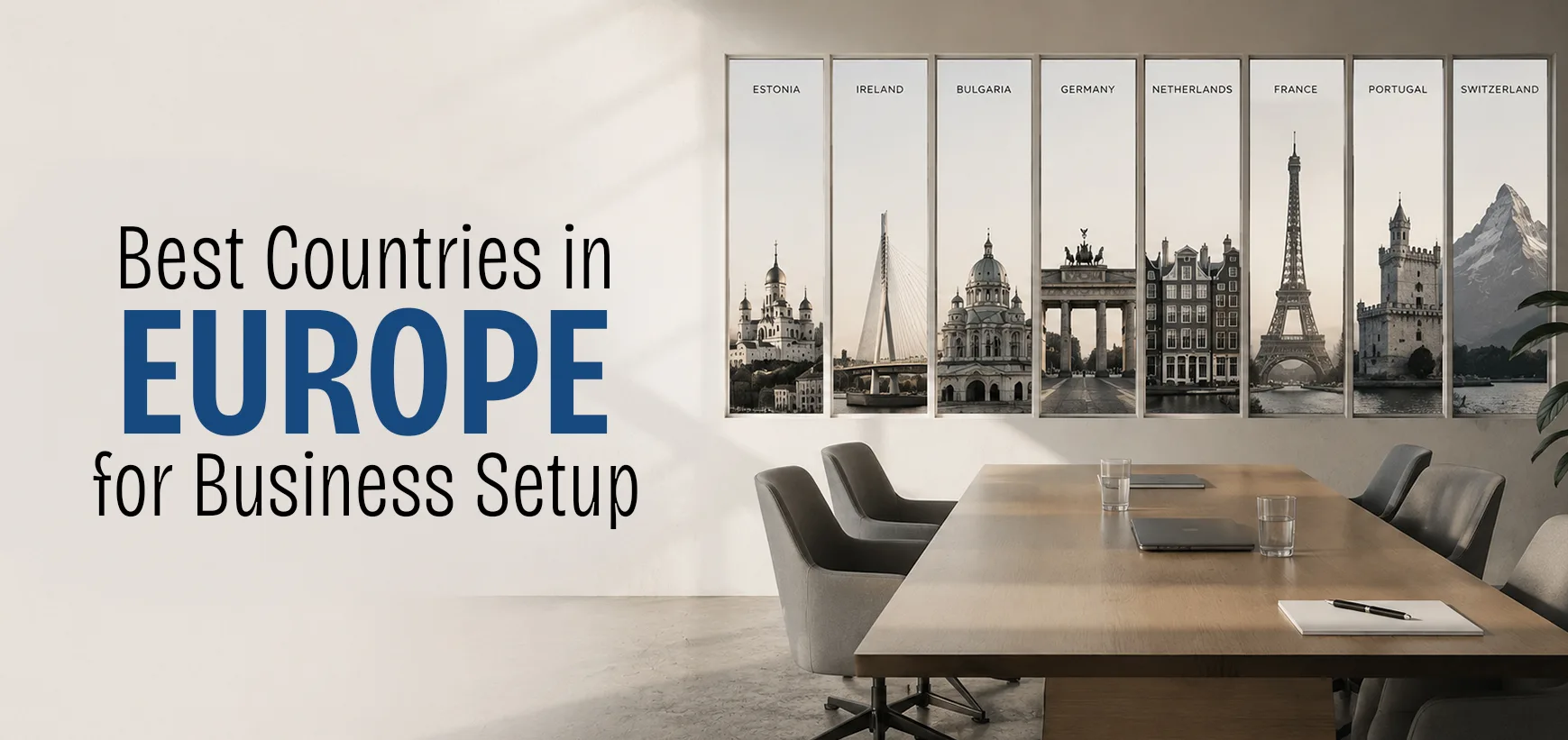
For a more extensive comparison of formation costs and operational considerations, see our guide to the best countries in Europe to set up a business.
Hiring Elite Talent Within the Richest Balkan Country
Hiring decisions should begin with the work you need done. Before you start looking for candidates, determine the skills, experience, language capability and customer responsibilities you require.
The average gross earnings of employees of legal entities in Slovenia in 2025 amounted to €2,536.03 per month. This is a broad national benchmark, not a salary quote for specialist roles or a measure of total employer cost. Source: SURS. stat.si
For a realistic budget, obtain current recruitment quotes for each role and account for onboarding, equipment and benefits.
A smaller initial team can also improve the learning process. One experienced local commercial hire may help you understand purchasing behaviour, refine your offer and avoid expensive assumptions.
Retention deserves equal attention. Clear responsibilities, competent managers and credible development opportunities underpin the employment proposition beyond simply salary.

Comparative Analysis: How Other Regional Markets Measure Against the Richest Balkan Country
Being the richest market per capita does not automatically mean Slovenia is the best location for every company.
Other regional markets may suit a different customer base, operating model or expansion objective. Use the following as a planning framework rather than a ranking of investment returns.
| Market | Business model worth investigating | Question to resolve before entry |
| Slovenia | Specialist B2B services and regional operations | Can margins support the operating cost? |
| Croatia | Tourism-related services and Adriatic-facing businesses | How seasonal is the target demand? |
| Romania | Businesses needing a broader domestic customer base | Which cities and segments match the offer? |
| Bulgaria | EU-based service and operational models | Are suitable talent and customers available locally? |
| Serbia | Regional sales, industrial partnerships and services | How will cross-border delivery work? |
| Albania | Local services, company formation and tourism-related opportunities | Are demand and project assumptions supported? |
| North Macedonia | Focused supplier and service partnerships | Is there enough demand within the chosen niche? |
A country comparison becomes useful when it follows the same assumptions. Price the same team, service standard and delivery model in each location.
Avoid comparing a senior team in Slovenia with an entry-level team elsewhere. The apparent saving may disappear when productivity, supervision or customer expectations are considered.
Key Risk Mitigation Protocols When Expanding to the Richest Balkan Country
The most useful risk controls connect directly to commercial decisions.
Domestic demand: Identify enough potential customers to support the business. If regional sales are essential, include their acquisition costs from the beginning.
Customer concentration: Prevent over-reliance on one customer. Getting a big first deal is a good thing, but if you lose that, you shouldn’t lose the whole operation.
Recruitment: Always check candidate availability before agreeing delivery dates. Have backup plans for hard-to-fill positions.
Cash flow: Model slower sales, delayed payments and higher costs. Calculate the period of time that the business can operate in each case.
Partners: Before signing long-term contracts, check their ownership, references, financial status and delivery capability.
Expansion: Release capital in stages. An initial office, warehouse or team should match demonstrated demand.
Keep a short risk register with an owner and action for each item. It should help managers make decisions, rather than become a document nobody revisits.
Scale Your European Business Vision With Kolekr Insights Richest Balkan Country Analysis
The value of a country analysis lies in the questions it helps you answer.
Is Slovenia suitable for your first European customers? Could it support regional distribution? Would a local partner achieve the same objective with less fixed expenditure?
Kolekr Insights brings the Balkans and Europe into focus through business analysis, founder perspectives and market comparisons. Use that perspective to build a shortlist, then validate it through customer conversations and qualified local advice.
Slovenia’s wealth ranking earns attention. Your decision should rest on something more concrete: customers willing to buy, an operation capable of delivering and margins that support sustainable growth.
FAQs About the Richest Balkan Country
1. Which is the richest Balkan country?
When Slovenia is included in the broader Balkan comparison, it leads by GDP per capita. The answer depends on the geographical definition and wealth measure used. Total GDP, household income and output per person are different indicators.
2. Is Slovenia officially part of the Balkans?
There is no single universally accepted Balkan country list. Slovenia is often described as Central European and is also included in broader historical or regional comparisons. Any ranking should state whether it includes Slovenia.
3. What is Slovenia’s latest annual GDP per capita?
SURS’s revised annual accounts report nominal GDP per capita of €33,380 for 2025. This measures economic output per resident; it is not the average annual salary. stat.si
4. Can foreigners establish a company in Slovenia?
Yes. A foreign person or legal entity may become an owner of a limited liability company in Slovenia, according to SPOT. Founders must meet the formation requirements, but also need to separately consider residence and work permits. SPOT
5. Is the richest Balkan country always the best investment destination?
No. The right location depends on customers, operating costs, skills, logistics and regulation. A prosperous market can suit a premium business while another country better matches a different commercial model.
6. How can Kolekr Insights support market research?
Kolekr Insights provides regional business content and perspectives that help readers compare opportunities across Europe and the Balkans. Use these insights to guide further research and identify the questions to resolve before market entry.