



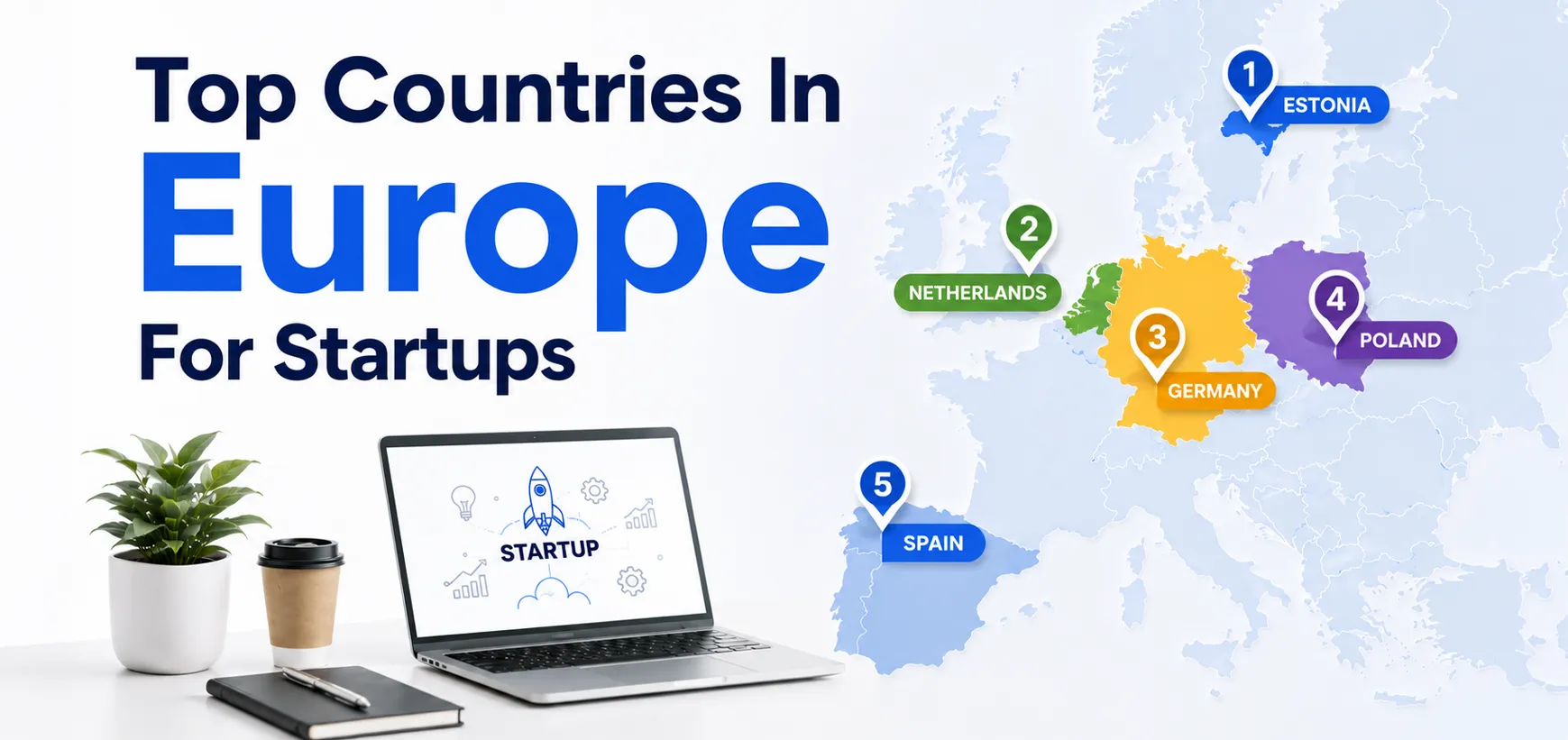
Which country is the best to create your startup in Europe? Learn which ecosystems are the most appealing in terms of funding, people, taxes, innovation, and expansion.
Europe gives founders more choice than ever.
You can build close to deep pools of venture capital in London, tap into industrial customers in Germany, develop research-led technology in Switzerland or run a digital-first business from Estonia.
But the highest-ranked country is not automatically the best place for every startup.
An AI company preparing for a major funding round has very different needs from a bootstrapped SaaS business, a biotech team or a founder selling into traditional industries.
This guide uses the StartupBlink Global Startup Ecosystem Index 2026 as the core ranking benchmark, then adds practical context around ecosystem growth, VAT, corporate tax, leading startup hubs and the types of businesses each country may suit best.
Top 10 Startup Countries in Europe at a Glance
| Rank | Country | Ecosystem Score | Growth | VAT | Corp. Tax* | Main Hub | Best Fit |
| 1 | United Kingdom | 80.114 | +13.2% | 20% | 25.0% | London | Funding, AI, fintech |
| 2 | Sweden | 40.781 | +15.5% | 25% | 20.6% | Stockholm | SaaS, climate tech |
| 3 | Germany | 37.644 | +13.5% | 19% | 30.1% | Berlin / Munich | Deep tech, B2B, industry |
| 4 | Switzerland | 36.108 | +13.7% | 8.1% | 19.6% | Zurich | Biotech, research, deep tech |
| 5 | Netherlands | 34.514 | +11.8% | 21% | 25.8% | Amsterdam | SaaS, fintech, logistics |
| 6 | France | 33.942 | +4.7% | 20% | 25.8% | Paris | AI, deep tech, scaleups |
| 7 | Estonia | 33.437 | +8.8% | 24% | 22.0% | Tallinn | SaaS, fintech, digital |
| 8 | Spain | 27.647 | +19.3% | 21% | 25.0% | Barcelona / Madrid | Travel tech, SaaS, consumer |
| 9 | Finland | 25.881 | +13.2% | 25.5% | 20.0% | Helsinki | Engineering, gaming, deep tech |
| 10 | Ireland | 24.303 | +14.5% | 23% | 12.5% | Dublin | SaaS, enterprise, B2B |
*Corporate tax figures are headline statutory benchmarks. The effective amount paid can vary by company structure, incentives, local taxes and taxable income.
United Kingdom – Best for Capital and Global Ambition
The United Kingdom remains Europe’s strongest startup ecosystem by a wide margin. London gives founders access to investors, experienced operators, specialist advisers, international talent and one of Europe’s deepest startup networks.
The downside is competition. Hiring, visibility and operating costs can be significantly higher than in smaller European ecosystems.
Founder snapshot
- Ecosystem growth: +13.2%
- VAT: 20%
- Corporate tax: 25%
- Main hub: London
- Best for: AI, fintech, SaaS, deep tech and venture-backed scaleups
KOLEKR Take: The UK makes the most sense when access to capital, networks and global visibility matters more than operating at the lowest possible cost.
Sweden – Best for Building Global Early
Sweden ranks second in Europe and remains the highest-ranked startup ecosystem within the EU.
Its relatively small domestic market often encourages ambitious companies to think internationally much earlier. That can be a real advantage for startups building products designed to scale across borders.
Founder snapshot
- Ecosystem growth: +15.5%
- VAT: 25%
- Corporate tax: 20.6%
- Main hub: Stockholm
- Best for: SaaS, fintech, climate tech and consumer technology
KOLEKR Take: Sweden suits founders who want a mature innovation ecosystem and are comfortable building for international customers from day one.
Germany – Best for Startups Close to Industry
Germany stands out because startup activity is not concentrated in one city. Berlin and Munich both play major roles, while the country also offers direct access to large industrial and enterprise customers.
That makes Germany particularly attractive for founders building products that depend on engineering talent, manufacturing partnerships or B2B sales.
Founder snapshot
- Ecosystem growth: +13.5%
- VAT: 19%
- Corporate tax: ~30.1% combined
- Main hubs: Berlin / Munich
- Best for: Deep tech, industrial technology, B2B SaaS, mobility and climate tech
KOLEKR Take: Germany is strongest when proximity to real customers and industry matters more than having the lowest tax rate.
Switzerland – Best for Research-Led Startups
Switzerland is particularly strong where science, intellectual property and specialist technical expertise form the core of the business.
Zurich leads the ecosystem, but Lausanne and Zug also contribute meaningful startup activity.
Founder snapshot
- Ecosystem growth: +13.7%
- VAT: 8.1%
- Corporate tax: ~19.6% combined benchmark
- Main hub: Zurich
- Best for: Biotech, medtech, robotics, fintech and deep tech
KOLEKR Take: The more research-heavy or IP-driven your startup becomes, the more attractive Switzerland looks.
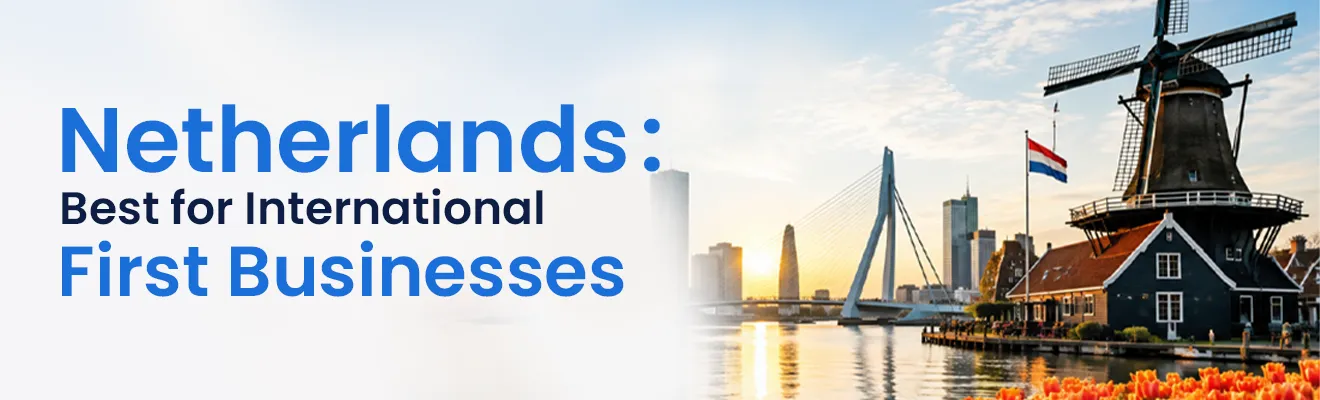
Netherlands – Best for International-First Businesses
The Netherlands is naturally outward-looking. Its smaller domestic market, strong infrastructure and easy access to the wider EU encourage many startups to think internationally from the beginning.
Amsterdam remains the country’s leading startup hub.
Founder snapshot
- Ecosystem growth: +11.8%
- VAT: 21%
- Corporate tax: ~25.8% combined benchmark
- Main hub: Amsterdam
- Best for: SaaS, fintech, ecommerce, logistics and climate tech
KOLEKR Take: The Netherlands is particularly attractive when Europe itself is your target market.
France – Best for Scale and AI
France remains one of Europe’s most important startup markets despite slower ecosystem growth in 2026.
Paris gives founders access to a large domestic economy, strong research capability, major investors and a growing AI and deep-tech ecosystem.
Founder snapshot
- Ecosystem growth: +4.7%
- VAT: 20%
- Corporate tax: ~25.8% combined benchmark
- Main hub: Paris
- Best for: AI, deep tech, fintech and consumer technology
KOLEKR Take: France remains highly relevant for startups that need scale, research capability and access to one of the EU’s largest markets.
Estonia – Best for Digital-First Founders
Estonia continues to outperform its size.
Its strength does not come from a large domestic customer market, but from digital infrastructure, an internationally minded startup culture and an environment where building across borders is normal.
Founder snapshot
- Ecosystem growth: +8.8%
- VAT: 24%
- Corporate tax benchmark: 22%
- Main hub: Tallinn
- Best for: SaaS, fintech, cybersecurity and digital services
KOLEKR Take: Estonia deserves serious consideration when your product is digital and your customers are international.
Spain – Best Momentum in the Top 10
Spain recorded the fastest ecosystem growth among Europe’s top 10 startup countries.
It also benefits from two major startup centres — Barcelona and Madrid — giving founders more choice than markets dominated by a single city.
Founder snapshot
- Ecosystem growth: +19.3%
- VAT: 21%
- Corporate tax: 25%
- Main hubs: Barcelona / Madrid
- Best for: Travel tech, SaaS, fintech, AI and consumer technology
KOLEKR Take: Spain is interesting not only because of where its ecosystem stands today, but because of how quickly it is moving.
Finland – Best for Engineering-Led Innovation
Finland’s strength lies in technical capability, R&D and engineering rather than domestic market size.
Helsinki remains the country’s main startup centre.
Founder snapshot
- Ecosystem growth: +13.2%
- VAT: 25.5%
- Corporate tax: 20%
- Main hub: Helsinki
- Best for: Gaming, telecoms, deep tech, health tech and climate technology
KOLEKR Take: Finland is particularly attractive when engineering quality and specialist technical talent are central to the business.
Ireland – Best for International B2B
Ireland combines an English-speaking business environment with strong international technology connections.
Its domestic market is relatively small, but that matters less for companies designed to sell internationally from the beginning.
Founder snapshot
- Ecosystem growth: +14.5%
- VAT: 23%
- Corporate tax benchmark: 12.5%
- Main hub: Dublin
- Best for: SaaS, enterprise software, fintech and medtech
KOLEKR Take: Ireland is particularly attractive for international B2B and technology businesses that value global connectivity.
One to Watch: Denmark
Denmark sits just outside the European top 10, but its momentum deserves attention.
Its ecosystem recorded 31.3% growth in 2026, faster than every country currently inside the top 10.
That does not guarantee Denmark will move into the leading group next year, but founders watching emerging momentum should keep it on their radar.
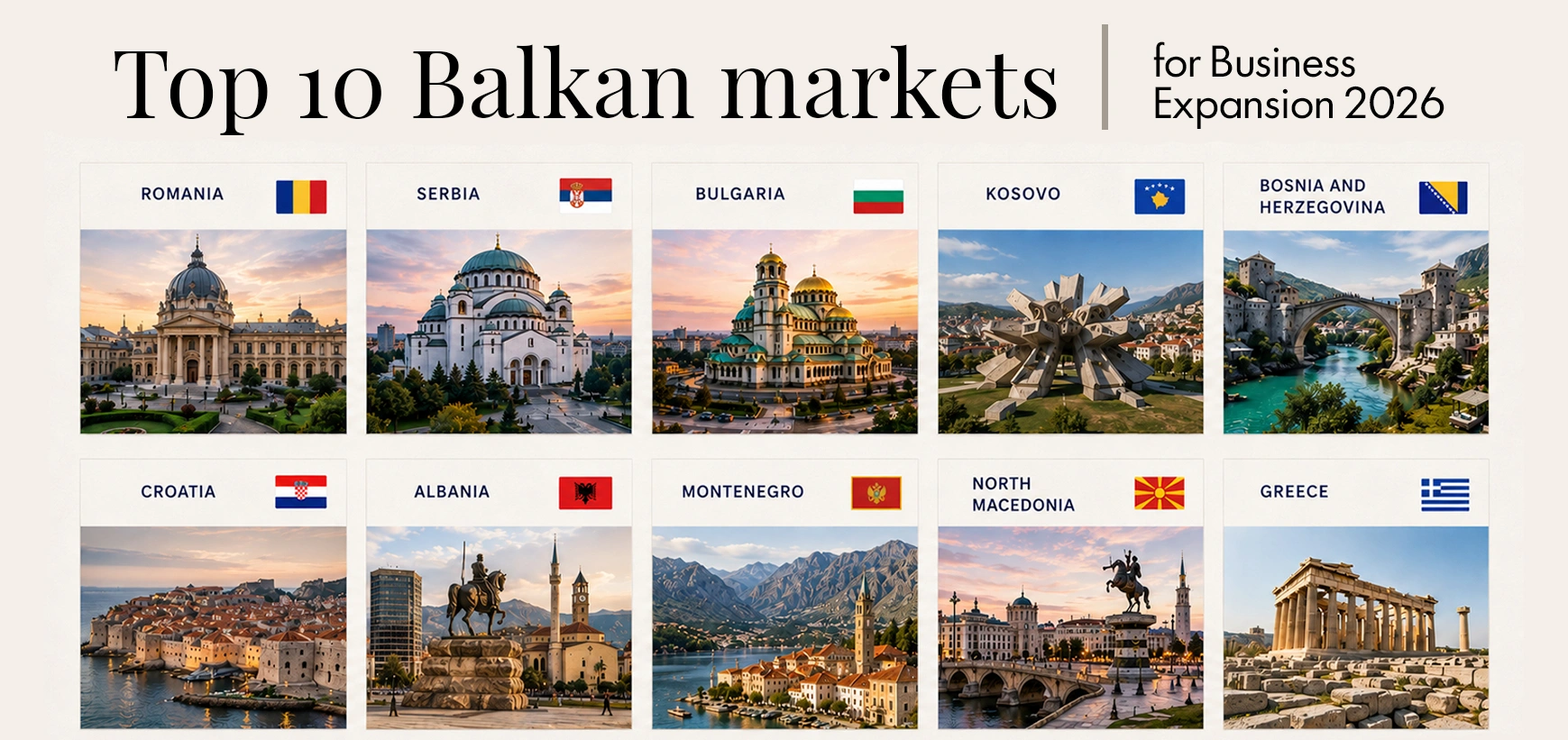
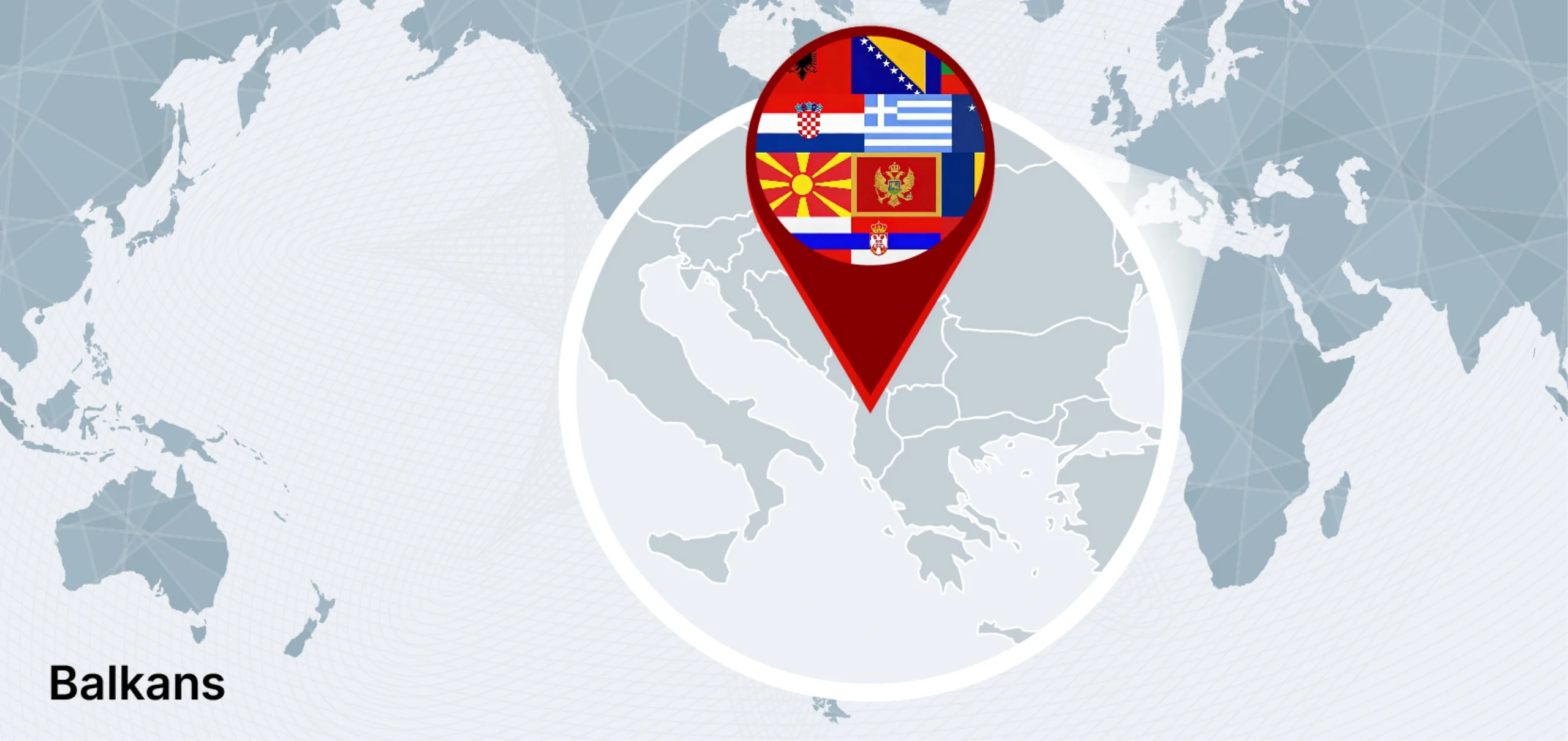
What About the Balkans and Southeast Europe?
No Balkan country currently appears in Europe’s overall top 10 startup ecosystems.
But rankings do not tell the whole story.
For some founders, Southeast Europe can offer a different combination of advantages:
- Lower operating costs
- Growing technical talent pools
- Less crowded local markets
- Emerging startup communities
- Opportunities in underserved sectors
- Easier access to neighbouring regional markets
The right question is not whether an emerging ecosystem can beat London or Berlin on every metric.
It is whether that market gives your particular business an advantage.
For an idea about what businesses are rising out of the region, the top 10 startups of the Balkans 2026 can be your guide
Tax Matters – But Don’t Choose a Country by Tax Alone
The differences across Europe are significant.
Ireland has a headline corporate tax benchmark of 12.5%, while Germany’s combined statutory rate is around 30.1%. Switzerland’s standard VAT rate is 8.1%, compared with 25.5% in Finland.
Those numbers are useful, but they are not a ranking by themselves.
For an in-depth analysis of incorporation costs, taxes, VAT, and other expenditures, check out our list of the best European countries to set up business in 2026
When comparing countries, founders should also consider:
- Effective corporate tax, not just the headline rate
- R&D and innovation incentives
- Employer and payroll costs
- VAT registration requirements
- Treatment of reinvested profits
- Sector-specific incentives
- Access to customers
- Talent availability
- Cost of hiring
- Funding environment
A higher-tax country can still be the better business decision if it gives you stronger customers, talent or access to capital.
Which Country Fits Your Startup Best?
| Your Priority | Countries to Explore |
| VC funding & global visibility | UK, France, Germany |
| International-first SaaS | Sweden, Netherlands, Estonia, Ireland |
| Deep tech & research | Switzerland, Germany, Finland |
| Industrial & B2B customers | Germany, Netherlands |
| AI ecosystem | UK, France, Germany |
| Digital-first operations | Estonia |
| Fast ecosystem momentum | Spain |
| Lower headline corporate tax within the top 10 | Ireland |
| Multiple major startup hubs | Germany, Spain |
| Large domestic EU market | Germany, France |
For many founders, this comparison is more useful than the overall ranking.
9 Questions to Ask Before Choosing a Startup Country
Before incorporating, relocating or opening a European base, ask:
- Where are our first serious customers likely to be?
- Are we bootstrapping or planning to raise venture capital?
- Which skills are hardest for us to hire?
- How far will our runway stretch?
- Does the local ecosystem understand our sector?
- What regulations directly affect our business?
- What will our real tax and employment costs look like?
- How easily can we expand into neighbouring markets?
- Can the founding team realistically build there for several years?
If a ranking helps you narrow ten countries down to two or three worth investigating properly, it has done its job.
Final Ranking
- United Kingdom
- Sweden
- Germany
- Switzerland
- Netherlands
- France
- Estonia
- Spain
- Finland
- Ireland
The UK remains Europe’s strongest overall startup ecosystem, while Sweden continues to outperform its size. Germany offers unusual industrial depth, Spain has the strongest momentum inside the top 10, and Estonia shows how a small domestic market can still build an internationally relevant startup environment.
But there is no universal “best” country for every founder.
A biotech startup may gain more from Switzerland than London. A digital-first SaaS company may prefer Estonia or the Netherlands. A company selling into manufacturing may find Germany far more valuable, while Ireland can make sense for an internationally focused B2B startup.
The best country in Europe for startups is ultimately the one that gives your company the strongest combination of:
- Customers
- Talent
- Capital
- Tax environment
- Sector expertise
- Operating economics
- International access
- Room to scale
Use the ranking to build your shortlist.
Then choose according to the business you are actually building.