





- Germany vs Netherlands vs Ireland: Quick Comparison
- If You Only Have 30 Seconds
- Ireland: Best Headline Tax Case
- Netherlands: Best for International European Operations
- Germany: Best for Market Scale
- What Happens to €100,000 of Taxable Profit?
- A Founder Scenario
- Which Country Fits Your Business?
- Before You Decide, Ask These Five Questions
- Germany, Netherlands or Ireland: The Final Choice
Which European market gives your business the best balance of tax, talent and access to customers?
Germany, the Netherlands and Ireland are all strong places to build a European business, but they solve different problems.
Ireland offers the clearest headline tax advantage, with a 12.5% corporation tax rate on trading income. The Netherlands combines a central European location with a 19% corporate tax rate on taxable profit up to €200,000, rising to 25.8% above that level. Germany carries a much higher overall company tax burden, currently just under 30%, but offers something the others cannot match in the same way: market scale, industrial depth and proximity to German customers. (Revenue)
So the useful question is not “Which country is cheapest?”
It is “Which country gives my business the strongest economics once tax, hiring and customers are considered together?”
Germany vs Netherlands vs Ireland: Quick Comparison
| Business Factor | 🇩🇪 Germany | 🇳🇱 Netherlands | 🇮🇪 Ireland |
| Headline corporate tax | Total burden just under 30% | 19% up to €200K profit, 25.8% above | 12.5% trading income |
| Labour-cost position | High | Very high | High |
| EU member | Yes | Yes | Yes |
| Euro currency | Yes | Yes | Yes |
| Best known for | Scale, engineering, industrial markets | International operations, logistics, European HQ | Tax, international business, English-speaking EU base |
| Think twice if… | Lowest tax is your main goal | You need a low-cost workforce | Your model needs a large low-cost team |
The Netherlands recorded average hourly labour costs of €47.9 in 2025, well above the EU average of €34.9. Eurostat also reported that labour costs across the EU continued rising into 2026, so founders should budget for future wage growth rather than relying only on today’s cost levels. (European Commission)
If You Only Have 30 Seconds
| Your Priority | Start With |
| Lowest headline corporate tax | 🇮🇪 Ireland |
| Largest customer market | 🇩🇪 Germany |
| Engineering & manufacturing | 🇩🇪 Germany |
| European headquarters | 🇳🇱 Netherlands / Ireland |
| Logistics & continental Europe | 🇳🇱 Netherlands |
| English-speaking EU base | 🇮🇪 Ireland |
| Selling mainly to German enterprises | 🇩🇪 Germany |
| Labour-intensive operation | Compare lower-cost European markets too |
None of these three should be chosen because labour is cheap. They are premium European business locations, and the decision needs to be justified by revenue opportunity, talent or strategic access.
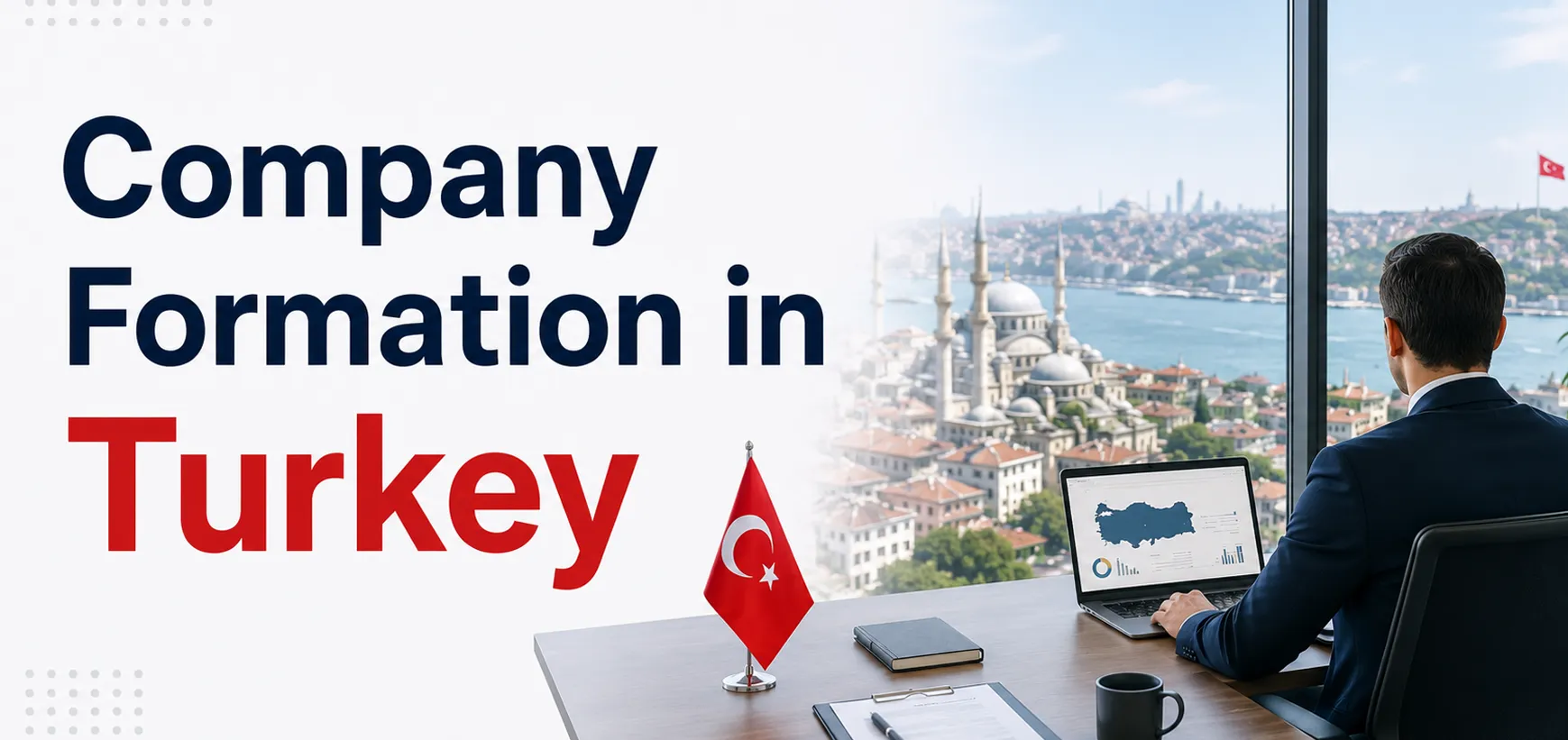
In case the main concern is the operating costs, it may also be useful to check out other markets in Europe. Please check our guide to Company Formation in Turkey 2026.
Ireland: Best Headline Tax Case
Ireland is the easiest of the three to understand from a tax perspective. Trading income is generally taxed at 12.5%, while non-trading income is generally taxed at 25%. (Revenue)
That makes Ireland particularly attractive to profitable international businesses, technology companies and founders who value an English-speaking EU location.
The trade-off is cost. Ireland should not be approached as a low-cost employment base. If your business model depends on hiring hundreds of employees, the tax saving needs to be compared against the total payroll bill.
Ireland makes most sense when tax and international positioning matter more than minimising employment costs.

Netherlands: Best for International European Operations
The Netherlands applies a 19% corporate income tax rate on taxable profit up to €200,000, with 25.8% applied above that threshold. (Government.nl)
Its stronger business case, however, is not simply tax. The Netherlands can work well for companies that need a central continental European base, international operations and strong access to multiple European markets.
The drawback is labour cost. At €47.9 per hour in 2025, the Netherlands ranked among the EU’s most expensive labour markets. (European Commission)
The Netherlands makes the most sense when European connectivity and operating convenience justify premium people costs.
Germany: Best for Market Scale
Germany’s combined company tax burden remains just under 30%, although the federal government has legislated a gradual reduction in corporation tax beginning in 2028. (Bundesministerium der Finanzen)
That makes Germany difficult to win on a simple tax comparison. But many businesses do not choose Germany for tax.
They choose it because their customers, suppliers, engineers and commercial opportunities are there.
For industrial technology, manufacturing, engineering, B2B software or companies selling heavily into the German market, proximity can create far more value than a lower tax rate elsewhere.
Germany makes most sense when access to customers and specialist capability matters more than reducing headline tax.
What Happens to €100,000 of Taxable Profit?
A simple example makes the tax difference easy to see.
| Country | Approx. Headline Tax on €100,000* |
| 🇮🇪 Ireland | €12,500 |
| 🇳🇱 Netherlands | €19,000 |
| 🇩🇪 Germany | Just under €30,000 |
*Simplified illustration using headline rates. Actual tax can vary because of deductions, local taxes, incentives, company structure and the type of income involved. (Revenue)
Ireland clearly wins this particular calculation.
But a founder should not stop there.
If operating in Germany helps the company generate €500,000 more revenue because its largest customers are German enterprises, saving €15,000–€17,000 in corporation tax elsewhere may become irrelevant.
That is why tax should influence the decision, not control it.
A Founder Scenario
Imagine a B2B software company with 20 employees and customers across Europe.
If most customers are international and the business is highly profitable, Ireland’s 12.5% trading-income tax rate could be compelling. If the company needs a continental European HQ with strong cross-border connectivity, the Netherlands may offer a better operating fit.
But if 60% of revenue comes from German enterprise customers, Germany may still be the better location despite the higher tax burden. Customer proximity, sales relationships and specialist hiring can be worth more than the headline tax saving.
That is the kind of calculation founders should make.
Which Country Fits Your Business?
| Business Type | Best Starting Point | Why |
| SaaS / international tech | 🇮🇪 Ireland | Tax + international positioning |
| European headquarters | 🇳🇱 Netherlands / Ireland | International operating environment |
| Manufacturing | 🇩🇪 Germany | Industrial ecosystem |
| Engineering | 🇩🇪 Germany | Talent + customer proximity |
| Logistics/distribution | 🇳🇱 Netherlands | Continental European access |
| German enterprise sales | 🇩🇪 Germany | Customer proximity |
| Profitable international services | 🇮🇪 Ireland | 12.5% trading tax |
| Labour-intensive business | Look beyond all three | Employment costs are high |
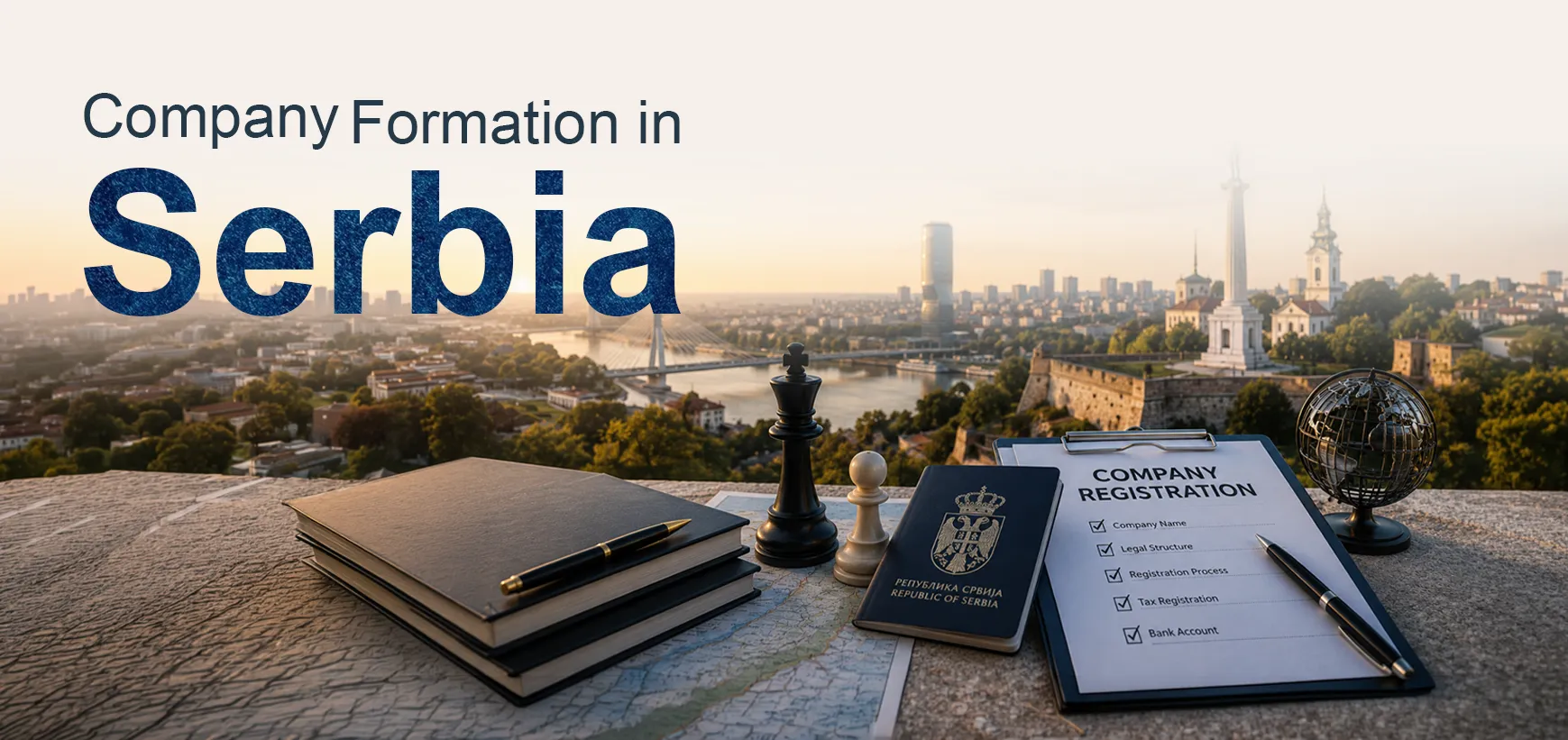
For companies where payroll costs play a major role, company formation in Serbia can be considered as an alternative European destination, especially for technology and services branches.
Before You Decide, Ask These Five Questions
- Where will most of our customers be?
- How many employees will we need in three years?
- Is corporation tax or payroll the higher cost for our business?
- Do we need specialist engineering or technical talent?
- Are we choosing a location for today’s savings or for future scale?
These five questions will usually tell you more than another generic “best country for business” ranking.
Germany, Netherlands or Ireland: The Final Choice
Choose Ireland if your priorities are lower headline corporate tax, international business and an English-speaking EU base. Its 12.5% trading-income rate gives it the clearest tax advantage. (Revenue)
Choose the Netherlands if your business values European connectivity, logistics and an internationally oriented operating base, and you can support the higher cost of labour. (Government.nl)
Choose Germany if your growth depends on market scale, industrial capability, engineering or direct access to German customers. The higher tax burden may be justified if being in the market improves revenue or execution. (Bundesministerium der Finanzen)
| Country | Strongest Business Case |
| 🇮🇪 Ireland | Tax + international business |
| 🇳🇱 Netherlands | European connectivity + international operations |
| 🇩🇪 Germany | Market scale + engineering + customers |
The best country is not automatically the one where your company pays the least.
It is the one where tax, talent, customers and future growth create the strongest business case together.
Methodology
KOLEKR Insights reviewed current information available as of August 2026, using Ireland’s Revenue Commissioners, the Dutch government, Germany’s Federal Ministry of Finance and Eurostat.
Corporate tax figures are headline rates and should be used for comparison rather than as estimates of an individual company’s effective tax liability. Labour-cost data also differs from employee salary because Eurostat’s measure includes wages and non-wage employer costs. (European Commission)