






- Start With the Full Property Sales Funnel
- Know Exactly Who You Are Trying to Sell To
- Use Google Ads to Capture Active Demand
- Use Meta Ads to Create Demand
- Build Landing Pages Around the Property
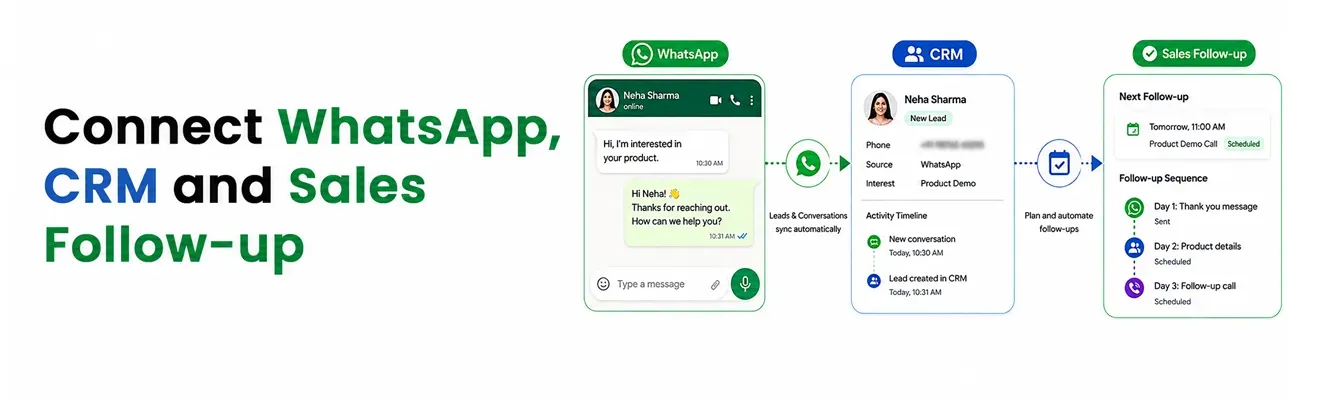
- Connect WhatsApp, CRM and Sales Follow-up
- Retarget Buyers Who Are Still Deciding
- Use Property Portals, SEO and Referrals Together
- Influencers and Video Can Help Sell the Lifestyle
- Which Channels Should You Prioritise?
- Example: €10,000 Monthly Media Plan
- What Could €10,000 of Ad Spend Produce?
- A Practical 90-Day Marketing Plan
- What Should You Review Every Week?
- What I Would Do First for a New Property Project
- Final Takeaway
More leads do not automatically mean more property sales. This guide explains how real estate businesses can reach serious buyers, improve lead quality, increase site visits and use Google Ads, Meta, WhatsApp, CRM, landing pages, influencers, portals and retargeting as one connected sales system.
By Vikas Kolekar | ProTalks
Last updated: August 2026
Selling a home, apartment or villa is very different from selling a low-cost product online. A buyer may discover a project on Instagram, search for it on Google, compare it with competing properties, speak with a broker, discuss financing with family and visit several developments before making a decision.
That is why real estate marketing should not be judged only by how many leads an advertisement generates. A campaign producing 200 inexpensive enquiries but almost no site visits may be less valuable than a campaign generating 40 serious buyers who are genuinely interested in visiting the property.
For a developer, broker or property business, the better question is not simply “How do we generate more leads?” It is “How do we reach the right buyers and move them from interest to enquiry, site visit and sale?”
Europe’s digital advertising market reached €131 billion in 2025, growing 10.5% year on year, while social advertising grew 19.2% and video advertising 19.6%. For a visual, high-consideration category such as real estate, that continued shift towards digital, social and video matters.
Start With the Full Property Sales Funnel
Property marketing works best when marketing and sales operate as one system rather than as separate teams.
A practical funnel looks like this:
Reach → Click → Lead → Qualified Lead → Sales Conversation → Site Visit → Negotiation → Booking → Sale
Each stage needs to be measured because a problem at one point can affect everything that follows.
| Funnel Stage | KPI | What It Tells You |
| Awareness | Reach / impressions | Are enough relevant buyers seeing the property? |
| Interest | CTR | Is the creative attracting attention? |
| Traffic | CPC | What are you paying for a website visitor? |
| Enquiry | CPL | What does each lead cost? |
| Quality | Qualified lead rate | Are the leads genuine potential buyers? |
| Follow-up | Contact rate | Is the sales team reaching them? |
| Intent | Site-visit rate | Are enquiries progressing? |
| Decision | Visit-to-booking rate | Are site visits turning into negotiations? |
| Revenue | Cost per sale | What did it actually cost to acquire a buyer? |
For most property businesses, qualified leads, site visits, bookings and cost per sale eventually matter more than CPL alone.
Know Exactly Who You Are Trying to Sell To
A common mistake is starting the campaign with the brochure rather than the buyer. The advertising immediately talks about amenities, specifications and square footage before asking who is most likely to purchase the property.
A first-time buyer has very different priorities from someone considering a luxury villa. A family may care about schools, connectivity and usable space, while an investor may focus on rental demand, location and long-term value.
| Buyer Type | What Usually Matters Most |
| First-time buyer | Price, financing, connectivity |
| Family upgrader | Space, schools, amenities |
| Investor | Rental demand, returns, long-term value |
| Luxury buyer | Privacy, architecture, exclusivity |
| Overseas buyer | Trust, remote buying process, location |
| Holiday-home buyer | Lifestyle, accessibility, rental potential |
Once the buyer is clear, the marketing becomes much easier. The creative, landing page, targeting, follow-up and sales conversation can all be shaped around the real concerns of that audience.
Use Google Ads to Capture Active Demand
Google Search can be valuable because it reaches people who are already looking for property. Someone searching for “luxury villas for sale in Croatia”, “new apartments in Tirana” or “3-bedroom homes in Kharghar” is demonstrating far stronger intent than someone casually scrolling social media.
Campaigns should therefore be built around location, property type, configuration, price segment and investment intent rather than very broad terms such as “real estate”.
WordStream’s 2026 US search benchmark reported a 7.61% CTR, $3.22 CPC, 3.70% conversion rate and $102.51 CPL for real estate. These are US search benchmarks rather than European targets, but they show why high-intent property enquiries can be expensive and should be evaluated against site visits and sales.
A €100 lead who visits the property may be much more valuable than a €20 lead who never answers the phone.
Use Meta Ads to Create Demand
Facebook and Instagram serve a different purpose. They allow a developer or broker to introduce a property to potential buyers before those buyers are actively searching for that exact project.
This works particularly well for visually strong properties such as luxury apartments, holiday homes, villas and destination developments. Walkthroughs, drone footage, lifestyle content, amenities, connectivity and neighbourhood visuals can create interest before the buyer reaches Google.
Meta supports lead generation through website forms, instant forms, calls and messaging, including conversations through WhatsApp, Messenger and Instagram.
WordStream’s 2025 US Facebook lead benchmark reported 3.75% CTR and $16.61 average CPL for real estate. These are again US benchmarks, not European targets. Social leads can be cheaper than search leads while also being earlier in the buying journey.
Build Landing Pages Around the Property
Paid campaigns should usually send buyers to a focused project page rather than a generic corporate homepage.
Someone clicking an advertisement for a particular villa should immediately understand what is being sold, where it is located and why it deserves further consideration.
A useful property landing page should normally include:
- Strong photography, renders or video
- Property configuration
- Location and connectivity
- Key amenities
- Floor plans
- Project status
- Price guidance where appropriate
- Developer credibility
- Short enquiry form
- Call and WhatsApp options
- Clear site-visit CTA
The objective is not to copy the entire brochure online. It is to answer enough questions for a serious buyer to feel comfortable taking the next step.
Connect WhatsApp, CRM and Sales Follow-up
Lead generation is only valuable if someone follows up properly.
A buyer may want the latest price, floor plan, payment plan or possession date before agreeing to a site visit. WhatsApp can make that conversation easier, particularly in markets where messaging is already a normal part of business communication.
A simple process might be:
Lead received → personalised response → brochure / floor plan → qualification → sales call → site visit → follow-up
Every lead should also enter a CRM rather than disappearing into spreadsheets or personal WhatsApp accounts. A practical CRM pipeline could be:
New → Contacted → Qualified → Site Visit Scheduled → Site Visit Completed → Negotiation → Booked / Lost
The CRM should record the source, campaign, buyer budget, property preference, last interaction, next follow-up and reason for loss.
The 2025 NAR Technology Survey found that 39% of surveyed agents said social media generated their highest number of quality leads, while CRM was second at 23%. Although the data is US-based, it highlights an important point: acquiring a lead and managing that lead are equally important.
Speed also matters. A buyer may enquire about several developments on the same evening, so a fast, informed response can make a meaningful difference.
Retarget Buyers Who Are Still Deciding
Most property buyers will not make a decision after one advertisement.
Someone may watch a project video today, visit the website next week and schedule a site visit a month later. Retargeting keeps the development visible while that person continues comparing options.
The message should also change. Instead of repeatedly showing the same launch creatively, retarget interested buyers with construction updates, available layouts, neighbourhood information, virtual tours, testimonials or invitations to book a site visit.
Use Property Portals, SEO and Referrals Together
Property portals remain useful because their visitors are already actively browsing property. The challenge is that your listing sits beside many alternatives, which makes photography, complete information and fast response especially important.
Portals should therefore support your own acquisition channels rather than replace them. Over time, your website traffic, CRM database, search visibility and remarketing audiences become valuable assets that the business controls.
SEO can also bring buyers into the funnel before they have selected a particular development. Useful content should answer genuine buyer questions such as:
- Best areas to buy property in [city]
- Villas for sale in [location]
- What €500,000 buys in [market]
- Cost of buying property in [country]
- Rental yield in [location]
- Best neighbourhoods for families
- Buying a holiday home in [country]
Brokers, channel partners and referrals should also remain part of the strategy. Digital marketing can expand reach, but trusted introductions often carry significant weight in a high-value purchase such as property.
Influencers and Video Can Help Sell the Lifestyle
Influencer marketing can work particularly well for luxury homes, villas, holiday properties and developments where lifestyle is part of the buying decision.
The largest influencer is not always the best choice. A credible property expert, architect, finance creator, travel influencer or local lifestyle creator may have a smaller audience but much greater relevance.
The content should feel natural. Rather than asking someone to stand in front of the property and read a promotional script, let them explore the neighbourhood, view, interiors, amenities or journey from the nearest city.
Every campaign should be trackable through unique URLs, UTM parameters, dedicated WhatsApp links or enquiry codes so that views are not mistaken for business results.
Video itself is also becoming standard in property marketing. NAR’s 2025 survey found that 52% of surveyed real estate professionals were using drone photography or video, while 75% used social media.
Which Channels Should You Prioritise?
Not every property needs the same media mix.
| Channel | Best Role | Typical Intent |
| Google Search | Capture active demand | High |
| Meta Ads | Discovery & lead generation | Medium |
| Qualification & follow-up | High once engaged | |
| Property Portals | Reach active shoppers | High |
| Retargeting | Re-engage interested buyers | Medium–High |
| SEO | Long-term discovery | Medium–High |
| Influencers | Awareness & lifestyle | Low–Medium |
| Video/YouTube | Education & trust | Medium |
| Brokers/referrals | Trusted introductions | Often High |
A luxury development aimed at overseas buyers may need a very different mix from an affordable local apartment project.
Example: €10,000 Monthly Media Plan
There is no universal property advertising budget. A €200,000 apartment and a €3 million villa have completely different economics.
For illustration, a project testing a €10,000 monthly acquisition budget might begin like this:
| Channel | Example Budget | Main Role |
| Google Search | €3,000 | Capture high-intent demand |
| Meta prospecting | €2,500 | Reach new buyers |
| Retargeting | €1,000 | Re-engage interested prospects |
| Property portals | €1,500 | Reach active shoppers |
| Influencer / video | €1,000 | Awareness & trust |
| Creative / testing | €1,000 | New ads and landing-page tests |
| Total | €10,000 |
This is an illustrative planning model, not a recommended European benchmark. Your own budget should be based on property value, gross contribution per sale, inventory, geography and buyer profile.
What Could €10,000 of Ad Spend Produce?
Suppose the €10,000 investment produces the following funnel:
| Funnel Stage | Illustrative Result |
| Advertising Spend | €10,000 |
| Leads | 200 |
| CPL | €50 |
| Qualified Leads | 80 |
| Qualified Lead Rate | 40% |
| Site Visits | 24 |
| Lead-to-Visit Rate | 12% |
| Negotiations | 8 |
| Sales | 2 |
| Cost per Sale | €5,000 |
These are example numbers, not market benchmarks.
If each sale generates €50,000 in gross contribution, a €5,000 acquisition cost may be commercially attractive. If the business earns only €3,000 per transaction, the same campaign would not work economically.
That is why CPL alone can be misleading.
Consider two campaigns:
| Metric | Campaign A | Campaign B |
| Leads | 150 | 50 |
| CPL | €20 | €60 |
| Site Visits | 3 | 12 |
| Sales | 0 | 2 |
Campaign A appears better if the report ends at CPL. Campaign B is clearly better when sales are included.
Property marketing should therefore optimise for qualified leads, site visits and sales, not simply cheap enquiries.
A Practical 90-Day Marketing Plan
Month 1: Build the Foundation
Define the target buyer, prepare strong photography and video, create focused landing pages and connect all enquiries to a CRM. Agree internally on what counts as a qualified lead and how site visits, negotiations and lost opportunities will be recorded.
The goal during the first month is not maximum lead volume. It is making sure you can understand what happens after every enquiry arrives.
Month 2: Launch and Learn
Start with the channels that best match the property. Google can capture search demand, whereas Meta can bring the development to the attention of new audiences and create retargeting pools.
Create different concepts focusing on location, lifestyle, price, investment appeal, connectivity and amenities. Analyze your qualified leads and site visitors, not just CTR and CPL.
Month 3: Scale What Produces Better Buyers
By month 3, you will notice that some audiences, keywords and creatives generate better prospects. Shift more budget towards those areas and use CRM follow-up and retargeting to reactivate interested buyers.
If hundreds of leads are producing almost no site visits, do not simply increase the budget. First determine whether the problem is targeting, pricing, qualification, the property itself or sales follow-up.
What Should You Review Every Week?
A property business does not need an overly complicated dashboard.
| KPI | Why It Matters |
| Spend | How much marketing is costing |
| CTR | Whether the creative attracts interest |
| CPC | Cost of website traffic |
| Leads | Enquiry volume |
| CPL | Cost per enquiry |
| Qualified leads | Real buyer quality |
| Contact rate | Sales-team follow-up |
| Site visits | Stronger buying intent |
| Bookings / sales | Commercial outcome |
| Cost per sale | True acquisition efficiency |
For developments with longer sales cycles, the final sale may occur weeks or months after the original enquiry, making accurate CRM tracking essential.
What I Would Do First for a New Property Project
If I were building the marketing for a new project from zero, I would not begin by advertising everywhere. I would first define who is most likely to buy, what makes the property worth considering and what information the buyer needs before agreeing to a visit.
I would then put the landing page, tracking, CRM and follow-up process in place before scaling media spend. Once those foundations are working, I would test high-intent search, Meta and video creative, retargeting and the channels that genuinely fit the project.
Most importantly, marketing and sales should work from the same numbers. The marketing team should know which leads eventually visit and buy, while the sales team should understand which campaigns consistently produce serious prospects.
This idea is especially true when developing the strategy of sustainable business growth since the increase in marketing efforts cannot substitute for deficiencies in positioning, customer awareness, or implementation.
Final Takeaway
Real estate marketing in 2026 is not simply about listing a property online or generating the cheapest possible lead. Buyers move between Google, Instagram, portals, videos, WhatsApp, brokers, websites and physical visits before making a high-value decision.
Developers, brokers and property businesses therefore need a connected system that combines buyer targeting, paid media, landing pages, CRM, WhatsApp, retargeting, SEO, influencers, video, portals and disciplined sales follow-up.
The goal is not to reach everyone. It is to reach enough of the right people, give them enough confidence to take the next step and make sure serious buyers do not disappear somewhere between the advertisement and the sales team.
When a property business starts measuring qualified leads, site visits, bookings and cost per sale, marketing becomes much closer to what it should be: a measurable part of the sales engine.
Methodology & Data Note
European advertising figures in this guide use IAB Europe data, while technology and advertising benchmarks referenced come from NAR and WordStream/LocaliQ datasets. The NAR and WordStream figures are primarily based on the US market and should not be treated as typical European CTR, CPL or conversion-rate benchmarks.
The €10,000 media plan, €50 CPL, qualification rates, site visits and cost-per-sale examples are illustrative scenarios designed to explain how a property marketing funnel can be evaluated. Actual results will depend on location, project value, buyer profile, competition, pricing, creative quality and the sales team’s ability to convert enquiries.
About the Author: Vikas Kolekar
Vikas Kolekar is a real estate marketing and digital growth expert and Business Director at iDigitalise. He has worked extensively with real estate developers and property businesses, helping plan and execute performance-driven marketing campaigns focused on lead generation, site visits and property sales.
Across his real estate marketing experience, he has launched 50+ property campaigns, supported 75+ developers, generated more than 150,000 real estate leads and contributed to the sale of 4,000+ homes across different property categories and markets.
He brings together paid media, lead generation funnels, CRM, landing pages, WhatsApp follow-up, audience strategy, and sales tracking, placing a huge emphasis on optimizing the process of converting leads into site visitors and booking appointments.
With his series ProTalks, Vikas delivers insights from his experience with developers, real estate brokers, and property companies to empower teams to make better marketing decisions and optimize their ad spend.
Connect with Vikas Kolekar
Interested in working with or consulting with this expert? Submit your details below.